Showing posts with label Diet. Show all posts

Friday, June 13, 2025

Anxiety, ADHD and Diet

Anxiety, ADHD and Diet


The brain and gut are interrelated and the balance of our gut can definitely impact our mood, anxiety, PTSD and more.


Anxiety is pretty common – about 18% of the population has anxiety at any given time. It can result in Heart racing, trouble sleeping, trouble concentrating. It is also interlinked with depression. Almost ½ of people diagnosed with depression have anxiety. Though they are different disorders, the treatment for them is often the same.

https://www.medicalnewstoday.com/articles/326354.php#anemia


Nutrition and exercise can help. Studies show that exercise is also very important and there’s lots of evidence that regular exercise boosts mood, especially if you’re able to exercise outdoors in a green environment. Even a walk in the park or a stroll by the river is thought to be helpful.


https://www.mayoclinic.org/diseases-conditions/generalized-anxiety-disorder/expert-answers/coping-with-anxiety/faq-20057987#:~:text=In%20some%20people%2C%20certain%20foods,overall%20physical%20and%20mental%20health.


Mmost doctors only know how to treat with medications. They are not nutritionists, and they don’t have the time, nor do they get paid by insurance, for teaching what to eat to help improve health beyond the general guidelines. Lynette went to multiple doctors, and not one offered nutrition advice. And several medications later – some made the symptoms worse.


So how and why can nutrition help those feel better if they have anxiety and/or depression?

The gut and brain are connected through the gut-brain axis, which sends signals between the two via the vagusnerve. This communication can be disrupted by imbalances in the gut microbiota or bacteria, which may lead to mental health issues like anxiety and depression. For example, irritation in the gastrointestinal (GI) system can trigger mood changes by sending signals to the central nervous system. This can cause the brain to go on high alert, similar to how an anxious mind can cause an upset stomach.


Johns Hopkins Medicine there is that changing the gut microbiome can help with anxiety. For example, scientists have shown that transplanting gut microbes from people without anxiety into those with anxiety can help reduce symptoms in the short term. Probiotic supplements may also help, as one study found that they improved depression and sleep quality in students with mild anxiety and depression


Much of our poor diet is due to how much sugar and carbs we now eat. Sugar works in the brain like cocaine – and creates a happy rush, followed by a fall. So we crave more, eat more. It then feeds the bad bacteria in our gut, altering our serotonin, our gut brain axis, and our mood. A viscious cycle.


Harvard Medicine had an article recently on this too. 

Pay attention to your gut-brain connection – it may contribute to your anxiety and digestion problems.

https://www.health.harvard.edu/diseases-and-conditions/the-gut-brain-connection


Now why did the Shake and Control help so fast? 

A few reasons.


1. Protein in the morning – the Mayo clinic recommends a protein breakfast to help anxiety because it gives you energy and helps keep your blood sugar in balance. This can help with mood.

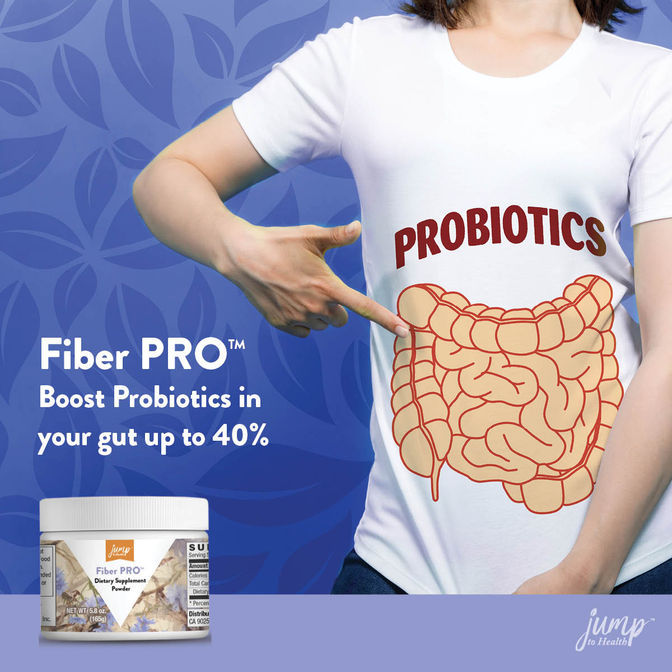
The Jump To Health protein shakes provide easier to digest protein than other brands, and higher quality too. Then we add in the Aminogen and make it even easier to digest and absorb. Then the prebiotic fiber in the shake has been clinically shown to boost probiotics by up to 40%. 

This helps balance the gut and that helps balance the gut brain connection.

Not only has prebiotic fiber been studied for helping with gut health, but depression too.

Prebiotics feed "friendly" bacteria in the gut, and research has shown that people with certain digestive disorders have a higher risk of anxiety and depression. In fact, eight out of nine clinical trials that treated patients with prebiotics or probiotics found that mood improved significantly, with a decrease in anxiety and depressive symptoms

https://www.ncbi.nlm.nih.gov/pmc/articles/PMC10490379/#:~:text=Of%20the%20nine%20clinical%20trials,in%20anxiety%20and%20depressive%20symptoms.


SO let your food be thy medicine and thy medicine be food is real.

What is also interesting in the clinical reviews - Depletion of serotonin contributes to depression, as it is important in mood regulation. Since 95% of our serotonin is made in the gut – this is another reason to focus on gut health. All of JTH products – all of them – have a benefit for gut health.

The hormone serotonin Serotonin​is a mood stabiliser, and impacts wellbeing and happiness.

Foods that boost serotonin include - apples, barley, berries, citrus fruits, chicory root, and jersualem artichoke, and butter helps with butyrate and then foods that help with tryptophan – including spirulina, milk, cheese, eggs, salmon, sunflower seeds, onion. 

The shake, fiber pro have the prebiotic benefits of chicory root, Jerusalem artichoke in it. 

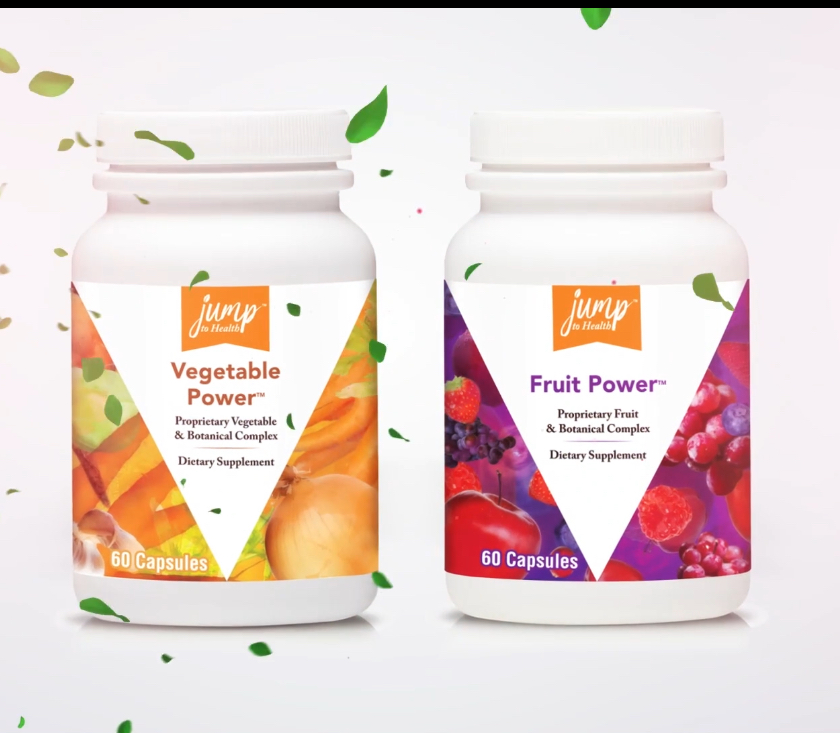
The spirulina and other nutrients that boost serotonin are also in our Fruit Power and Veg Power capsules. 


Now interestingly – I talk a lot about the Aminogen in our shake – that it is there to help us digest the protein and absorb it into lean muscle. But there are other health benefits too – including helping serotonin and mood.

https://www.neuroscienceinc.com/news/2023/understanding-digestive-enzymes-and-supporting-healthy-digestion


Proteolytic enzymes or Aminogen are digestive enzymes that break down proteins into amino acids. These amino acids help the body build muscle and neurotransmitters, including serotonin, dopamine, and GABA.


So the shake helped fast because it helped keep blood sugar stable, boosted probiotics in the gut for better balance, and helped boost serotonin too.


Then Control. Why is control so powerful in helping people feel happier?

Per medical news – one ingredient in the Control is 5HTP. 5-Hydroxytryptophan (5-HTP) is a naturally occurring amino acid, and is the precursor for neurotransmitters, which are chemicals that transmit a nerve impulse across neuronal gaps that are called synapses. These neurotransmitters include serotonin and melatonin.https://www.news-medical.net/life-sciences/The-Relationship-Between-Serotonin-and-5-HTP.aspx


5-HTP helps raise serotonin levels in the brain. Since serotonin helps regulate mood and behavior, 5-HTP may have a positive effect on sleep, mood, anxiety, appetite, and pain sensation.


https://www.news-medical.net/life-sciences/The-Relationship-Between-Serotonin-and-5-HTP.aspx

https://www.sciencedirect.com/science/article/pii/0003986162900620


Now that is not the only ingredient that can help support healthy mood.

In addition to 5HTP, which converts to serotonin, we also have Dl-Phenylalanine. This is also a natural amino acid. DL-phenylalanine can increase serotonin activity, which could help with pain relief and depression in patients taking opiates for chronic pain. It is also known for its antidepressant properties, because it may increase norepinephrine levels, which can help with depression and attention issues.


In addition Control has 75 mg of caffeine. 

Per WebMd –Research into coffee and depression has found that people tend to experience less severe symptoms when they drink coffee.


Now in high doses caffeine can make anxiety worse. But at low levels – which is what we have in Control - In low doses, caffeine may help depression,” per the Journal of the American Medical Association. The reason is because caffeine “stimulates dopamine, which is a chemical in your brain that plays a role in pleasure motivation and learning.”


https://www.webmd.com/diet/what-to-know-about-coffee-and-depression 

https://www.ama-assn.org/delivering-care/public-health/what-doctors-wish-patients-knew-about-impact-caffeine


The caffeine source we use is from Guarana. This is a tropical fruit that is known for boosting happy feelings, help reduce fatigue, boost brain health, and protect the heart.

https://www.healthline.com/nutrition/guarana-benefits

One study looked at the effects of different doses of guarana on mood and learning. Participants received either no guarana, 37.5 mg, 75 mg, 150 mg or 300 mg.


People who received either 37.5 mg or 75 mg of guarana achieved the highest test scores. Since low doses of guarana provide low doses of caffeine, it’s believed that other compounds in guarana aside from caffeine may be partially responsible.


And guarana has a lot of good safety data too. It has antioxidants and many health benefits including helping with eye health as we age, fighting cellular issues, boosting gut health. 


Then green tea extract – one of the most studied ingredients of all time – has neurochemical and behavioral benefits because it too increases dopamine and serotonin.

hhttps://pubmed.ncbi.nlm.nih.gov/23625424/#:~:text=An%20increase%20in%20dopamine%20and,serotonin%20and%2For%20dopamine%20metabolism.


Last but not least in Control is Garcinia. It too has been well studied and shown. In one study it was shown to help anxiety, sociability, and dopamine production. Dopamine is another hormone that is involved in brain function, pleasure, memory and attention, focus. Back to the gut again – about 50% of dopamine is produced in the gut


https://link.springer.com/article/10.1007/s42452-021-04902-z


So Control boosts mood, a little energy, and boosts gut health too. It is great when dieting as it can help lessen cravings and help you stay on track. Or it can help those who want to get a boost of good mood.


Now what do we eat that can help or hurt our happy mood?


The average American diet has gotten bigger, and heavier on grains, and lower quality fats.

https://www.pewresearch.org/fact-tank/2016/12/13/whats-on-your-table-how-americas-diet-has-changed-over-the-decades/


Your brain is about 2/3 fat – and it needs fat to thrive. It also needs antioxidants found in fruits and nuts , tea, and other products. Foods that can impact the brain and your mood include:


-​Nuts – high in fat, and fiber- especially macadamia nuts, almonds

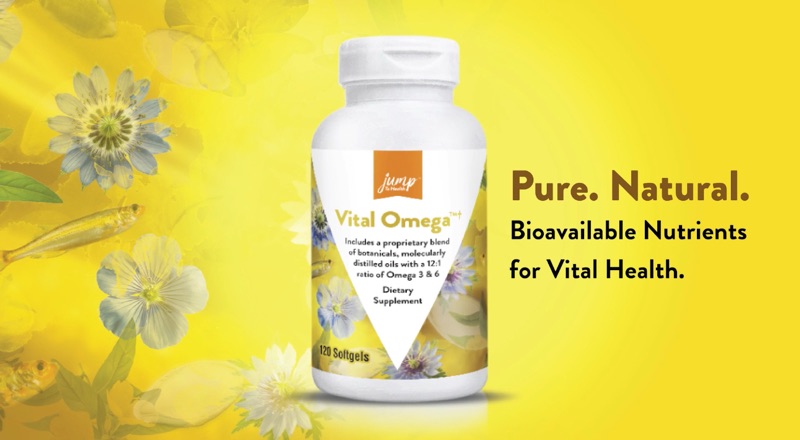
-​Omega fats – like those in our shake – flax, sunflower, or fish oils. These all support a healthy brain. Everyone should take an Omega – you really cannot get enough. And guess what – we have a super powerful and unique one coming July 1!

-​Low sugar. Sugar is so bad for the brain. Watch how much sugar you are eating. You will see it in everything. 

-​Caffeine – a lot of studies are showing that caffeine in coffee or tea can help support a healthy brain and mood, and fight alzheimers and parkinsons, even memory loss.

- protein- our body is comprised of protein – our skin, hair, muscles, nails- all need protein to thrive. We need to get adequate protein.

-​Hydration – most adults are dehydrated – 74%. This slows metabolism and affects our brain too. So be sure to drink lots of water, and tea to help the brain. Especially green tea.

-​Fiber – there are so many studies right now on the emerging area of our second brain in our body – our “gut’. You can google it. Your gut is where 94% of your serotonin resides. So if you have a bad gut bacteria imbalance – you will not sleep as well, you can be crabbier. We use a special fiber in our Fiber Pro. Studies have been done on it that show that it helped school children do better on tests than those who don’t take it. It really is a great product.


https://www.health.harvard.edu/blog/nutritional-strategies-to-ease-anxiety-201604139441


Foods to Avoid:

Fast food is cheap, convenient, and tastes good (most of the time). However, researchers believe there’s a linkTrusted Source between depression and levels of inflammation in the body, and inflammation is exacerbated by ingredients commonly found in large quantities in fast food dishes, like artificial trans fats, refined carbs, sodium, and sugar.


One large study found that people who eat fast food regularly are at a 40% greater risk of developing depression, and researchers suggest that the high amounts of trans fats in fast food products were a primary contributing factor. Meanwhile, other researchers discovered that people who frequently eat fast food were less resilient to depressive symptoms.

https://psychcentral.com/depression/foods-that-cause-depression#alcohol

So for fast meal – have a shake instead. It takes less than a minute to mix up a smoothie, a minute to make a microwave or bundt cake. And 15 minutes to make 5-6 protein bagels using our shake mix. 

Make some pancakes with our shake mix and freeze. There are many ways to get healthy meals, fast. Also take a look at our New You in 22 program – the meals and sides are easy to make and food the whole family can enjoy – and they are low sugar, low glycemic and good for brain health and mood. 


Many people enjoy a glass or two of wine to lift their mood, and it’s hardly surprising — alcohol encourages the release of serotonin (aka the “happy chemical”) in our brain.


However, for those with depression, drinking alcohol could have the opposite effect, as studies suggestTrustedSource higher intake may lead to increased symptoms. This is sometimes called “alcohol-induced depressive disorder,” which occurs only shortly after you drink alcohol


Simple or refined carbs – white rice, pasta, white bread – these turn to sugar in the body and impact mood and gut health, feeding a bacteria imbalance. enty of research supports the link between unrefined grains and depression. For example, one in women postmenopausesaw that those who ate refined grains had a greater risk of new-onset depression. If you want to eat these – take a GlucoSupport before the meal to help lower they glycemic load, lower the absorption and calories too.


We’ve long been warned of the dangers of eating too much salt, particularly around the negative effects on blood pressure and cardiovascular health. But it also impacts inflammation in the body, and has a negative impact on the gut microbiome, which impacts the brain too. Today the average adult in the USA is eating 4000 mg of sodium a day – when we should get 1500-2000mg. So when shopping, look for low sodium or no sodium added foods. And stay hydrated. We know that the average person is dehydrated – drink more to help flush hidden sodium out. 


Sugar- Some research indicates a link between sugar intake and depression. Sugar increases inflammation and hormone imbalance, both of which are linked to mood, feeds the bad bacteria in the gut, and has a potential impact on the growth and development of brain cells. 

influence on neurotransmitters in the brain


Aspartame and artificial sweeteners - in one people who consumed a diet high in aspartame experienced more depression and irritable mood. Researchers suggest this may be because the ingredient impacts the balance of chemicals in the brain (such as the “pleasure” chemicals serotonin and dopamine) and increases levels of cortisol, the “stress” hormone. This ingredient is in a lot of diet sodas.


Eat more fruits, veg, protein, especially at breakfast. Eat healthy fats for brain health. Plenty of fiber and water for gut health. Avoid sugar, watch the alcohol, and salt and sugar and aspartame.


Nutrition recommendations:

1. Add a magnesium supplement. We have magnesium in KeTonic, and adding more may be good – so look for a magnesium supplement at your pharmacy or grocery store.

Keytonic https://www.fluid.app/s/c39657

2. Add the Fruit & Veg capsules – anti inflammatory and also very good for the gut.

Fruit & Veg capsules https://www.fluid.app/s/942f1a

3. Add Fiber Pro for the gut brain axis https://www.fluid.app/s/2042e9

4. Ignite for the healthy MCT for the brain and gut https://www.fluid.app/s/8403cc

6. Vital Omega - 4x more potent omega.

https://www.fluid.app/s/829a78

7. Control – for mood boosting and energy and our shake. 

https://www.fluid.app/s/3243b5 


Our New You In 22 program is good because it is healthy fats, no sugar, and it detoxes. 

The PowerOx tea is good because it has Rhodiola, as does the Control. The control may be good as it boosts brain and mood more with 5HTP and Gaba. Releaf may help with the anxiety and it is powerful anti inflammatory. 


Fruit, Veg

https://www.ingentaconnect.com/content/ben/cnf/2010/00000006/00000001/art00003

https://www.sciencedirect.com/science/article/abs/pii/S0955286317306332

http://geetaraibhu.org/admin/FileUpload/Publication/11%20A%20novel%20formulation%20of%20veggies%20with%20potent%20anti-migraine%20activity.pdf


Fiber Pro

https://www.truehealthinitiative.org/news2019/why-prebiotics-are-the-most-important-nutrient-to-boost-your-mood-and-prevent-anxiety-and-depression/

https://www.ncbi.nlm.nih.gov/pmc/articles/PMC4410136/


Control

https://www.psychologytoday.com/us/blog/integrative-mental-health-care/201810/5-hydroxytryptophan-5-htp-anxiety

https://www.medicalnewstoday.com/articles/324025.php


Tea or Excelerade or KeTonic – Rhodiola

https://www.healthline.com/nutrition/rhodiola-rosea

https://www.ncbi.nlm.nih.gov/pmc/articles/PMC4297663/


Magnesium

https://www.healthline.com/nutrition/magnesium-dosage

https://www.ncbi.nlm.nih.gov/pubmed/23950577


Omega

https://nccih.nih.gov/research/results/spotlight/072811.htm

https://www.mayoclinic.org/diseases-conditions/depression/expert-answers/fish-oil-supplements/faq-20058143


New You In 22 Diet

https://www.ncbi.nlm.nih.gov/pmc/articles/PMC5357645/

https://www.psychologytoday.com/us/blog/diagnosis-diet/201706/ketogenic-diets-psychiatric-disorders-new-review

https://medium.com/the-mission/low-carb-diets-can-eliminate-your-anxiety-and-boost-your-productivity-79d14416b8ae

Return to Home http://www.livelife-now.com

Monday, May 19, 2025

Kidney health, heart, health, and diet

Kidney Health, Heart Health, and Diet


February is heart health month – but we can’t talk about the heart without also talking about the kidney.


Your heart and kidneys are two important organs in your body. They work together to keep you healthy. When one is affected, the other is too. In other words, your heart can affect the health of your kidneys, and your kidneys can affect the health of your heart.

Healthy kidneys remove wastes and extra fluid from your body. They balance salts and minerals in your blood. They also help control blood pressure, make red blood cells, and keep bones strong.


The heart pumps blood filled with oxygen and nutrients to all parts of your body to work properly and stay alive. Blood pumped by the heart also picks up carbon dioxide and waste products so that your body can get rid of them. To move blood to each part of your body, your heart relies on your blood vessels. Together, the heart, blood and blood vessels make up a system called “the cardiovascular system

The heart is a muscle that pumps blood filled with oxygen to all parts of your body. This job keeps every cell, organ, and system alive within your body. 


The kidneys clean the blood, removing waste products and extra water. Without the kidneys, your blood would have too much waste and water. The heart would be working too hard or would not function at all without the help of your kidneys.


The heart pumps blood filled with oxygen through all parts of your body, including the kidneys. Without the heart, your kidneys would not have the oxygen-filled blood needed to do its many important jobs.

The kidneys remove waste from the blood and return the cleaned blood back to the body. Each minute about one litre of blood – one-fifth of all the blood pumped by the heart – enters the kidneys through the renal arteries. After the blood is cleaned, it flows back into the body through the renal veins.


Your kidneys:


Clean your blood of waste products and extra water

Help control blood pressure

Keep bones healthy and strong

Help make red blood cells

Keep the balance of minerals in your blood (like sodium, phosphorous, and potassium)


Kidney Disease – growing at an alarming rate.

Kidney disease is growing at an alarming rate. It currently affects more than 1 in 7 — or 15% — of American adults, with people of color at greater risk for kidney failure.

In the US - 37 million people have kidney disease. 

About 807,000 Americans are living with kidney failure. 

More than 562,000 Americans are on dialysis 

More than 245,000 Americans are living with a kidney transplant


9 out of 10 people with kidney disease are unaware they have it, and half of those with severely reduced kidney function (but not yet on dialysis) do not know they have kidney disease. About 1 in 3 adults with diabetes may have kidney disease. Diabetes is the top cause of kidney failure, causing nearly half (45%) of new cases. 


1 in 5 adults with high blood pressure may have kidney disease. High blood pressure is the second most common cause of kidney failure, causing 28% of new cases.


Kidney disease is one of the top 10 causes of death in the U.S. It kills more people each year than breast or prostate cancer.


Heart 

Your heart is about the size of 2 fists, and weighs 10 oz. It beats 100,000 times a day. There are 60,00 miles of blood vessels – enough to go around the earth twice. A woman’s heart on average beats 8x faster than a mans. Heart disease is the #1 cause of death in the U.S.


How can I keep my heart and kidneys healthy?

These tips can help keep your kidney and heart health on track. You should always speak with your healthcare provider before making any changes to your diet and lifestyle.


Regular physical activity

Lose weight, if you need to

Eat less fat

Keep your blood pressure, blood sugar, and blood fats under control

Stop smoking

Reduce stress

A good way to keep the heart and kidney connection in mind is to remember, what is good for your kidneys is good for your heart. Keeping up the health of your heart is good for the health of your kidneys.


Lowering blood sugar is key to a healthy heart and kidney. Too much sugar in the diet can increase blood pressure, and triglycerides, and increase bad cholesterol.


Too much sugar in the diet can impact fatty liver disease. 

It also causes inflammation.


So the key is to try to avoid added sugar, especially fructose. Our livers were designed to process 4-6 pounds of fructose per year. Fructose is found in fruits and vegetables, and the fiber in those, and water content – 85% of fruit is water – it helps offset the impact on the liver. But today we are eating almost 60 pounds of fructose – so it is no wonder we are seeing fatty liver disease in kids now, and growing kidney issues in adults, and heart disease and diabetes growing.


What damages the kidney and heart?

Diabetes and hypertension (high blood pressure) are the two leading causes of kidney disease. High blood sugar levels in uncontrolled diabetes and high blood pressure can damage the kidney’s blood vessels, leaving them unable do their job properly.


With ½ of the population having high blood pressure, ½ being prediabetic and more getting diabetes – we can see we need to do something.


What helps?

Foods to Avoid:

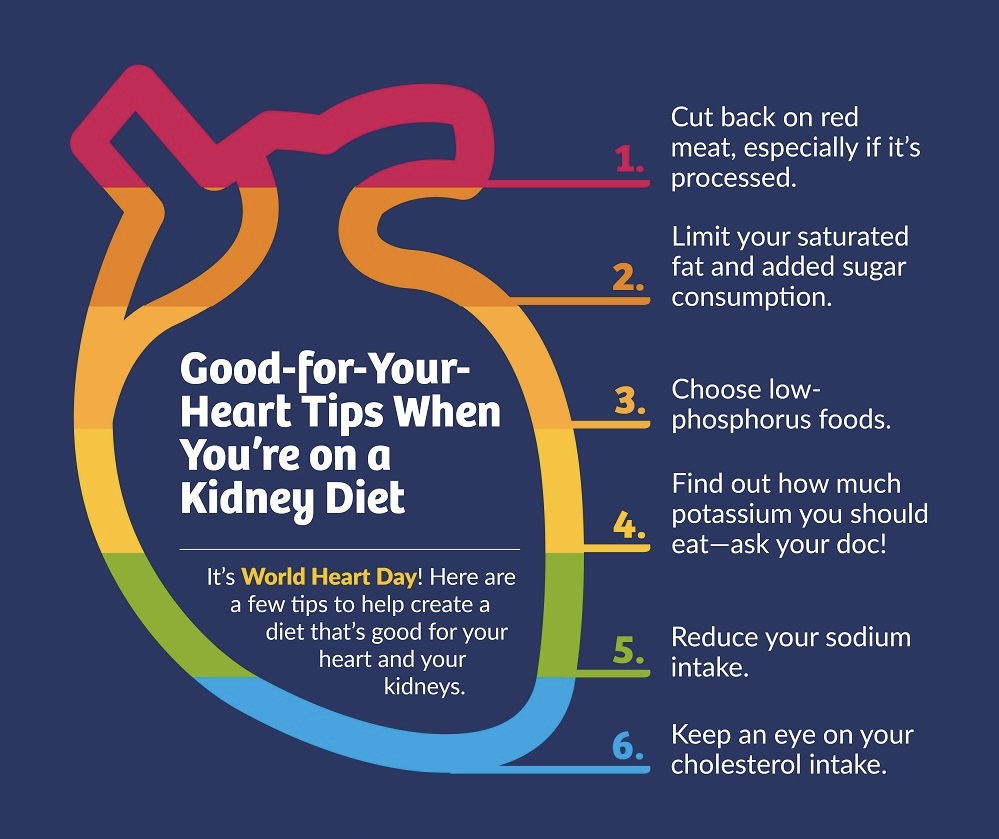
1. Sodium. Today we eat 40-50% more sodium than we should. The average Adult is eating almost 4,000 mg per day – far above the now recommended 1500-2000 mg. This impacts heart and kidneys.

So much of our food has salt in it – to preserve it and add flavor. But there are low sodium soups, vegetables you can buy and more companies offer low sodium versions. Once you lower your sodium – you’ll be amazed at how awful salty food will now taste. My husband and I rarely put salt in anything we cook. So when we eat out or try food at Costco – wham- all I taste is salt. And feel awful and drink a lot of water after.


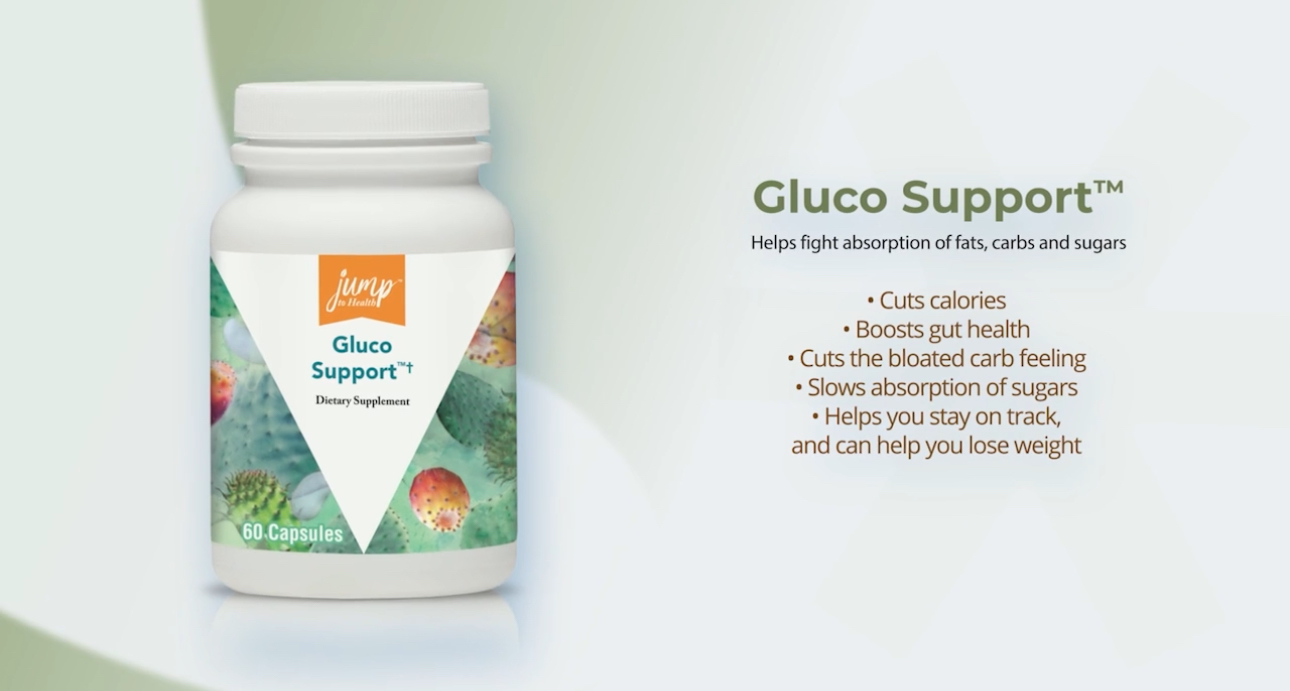
2. Sugar – impacts your blood pressure. We eat a cup of sugar a day hidden in foods. This is why we created Gluco Support -to help slow the impact of sugar and carbs on the body. Simply take 1 capsule before 1-2 meals – and not only will you feel better, you can lose weight just with this one little product.

It also has berberine – called Natures’ Ozempic – for curbing hunger and gymnema which makes sugar less appealing.


3. Watch your protein intake. Many people think protein is good so more is better. But it is not. You can only absorb 25-30 grams in one meal. The rest gets stored as fat – and you also tax yourkidneys.

So have a shake for breakfast, a snack with protein like string cheese or an egg with a healthy carb like fruit or veg, have a sensible lunch or another shake, and a sensible dinner and you’ll lose weight, lower blood pressure, and protect kidney health.


4. Watch alcohol intake – the body thinks of it as poison and make the kidneys work harder to filter it out.

https://www.healthline.com/nutrition/foods-to-avoid-with-kidney-disease#foods-to-avoid


Foods that help healthy kidneys, cholesterol and heart health:

Are generally foods we should all eat more of. The average person gets 1 serving of fruit per day, and only 1 oz. of lettuce. 

1. Dark leafy greens- kale, spinach, romaine, all have vitamin K – good for blood and kidneys, and fiber for heart health. 

2. Berries – low glcyemic, packed with antioxidants and fiber.

3. Cranberrries – low sugar cranberry juice protects the bladder from infection, which can spread to the kidney.

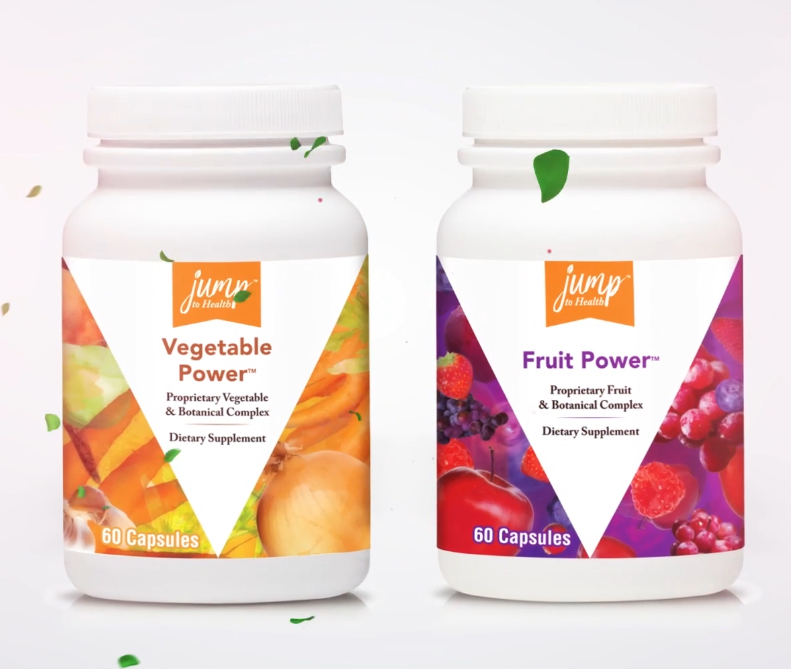
4. Polyphenols – in fruits, veg, olive oil – help prevent inflammation. This is why we recommend the Fruit Power and Veg Power capsules. They are the most potent fruit/veg supplement – 40% more nutrients than the brand you see on TV for almost ½ the price. They help kidneys, gut, brain, cells, a lot.

5. Cruciferous veg – cabbage, broccoli, cauliflower – these are in the Fruit Power, and Veg power – have phytochemicals – which can help protect kidneys.

6. Omegas – from fish, or supplements – can help blood triglycerides and blood pressure – which in turn can impact kidneys.


How Jump To Health Can Help.

1. Fruit Power, Veg Power – get the anti-inflammation benefits and boost gut health too. You can feel this in as little as 3 days.

Vegetable power and fruit power https://www.fluid.app/s/942f1a

2. Fiber Pro – a recent study in PubMed shows that gut health can improve kidney function – from prebiotics and probiotics. These can help reduce inflammation, improve kidney function and retard progression of CKD by restoring the symbiosis of gut microflora in patients with CKD. A randomised trial found synbiotics decreased serum PCS without reducing serum IS in non-dialysis CKD

https://www.ncbi.nlm.nih.gov/pmc/articles/PMC6067341/#:~:text=Recently%2C%20probiotics%2C%20prebiotics%20or%20synbiotics,IS%20in%20non%2Ddialysis%20CKD.


Fiber Pro https://www.fluid.app/s/2042e9

In the Journal of Renal Nutrition – another article talks to prebiotic fiber – and how it can help slow progression of those with CKD.

https://www.jrnjournal.org/article/S1051-2276(14)00260-X/fulltext#:~:text=Fiber%20and%20prebiotics%3A%20mechanisms%20and%20health%20benefits.&text=Better%20known%20as%20fiber%2C%20prebiotics,probiotics%20to%20benefit%20the%20host.


And another article in National Library of Medicine - Emerging evidence suggests that diet, particularly one that is rich in dietary fiber, especially prebiotic fiber, may prevent the progression of chronic kidney disease (CKD) and its associated complications in people with established CKD.

https://www.ncbi.nlm.nih.gov/pmc/articles/PMC8825222/


Now Fiber Pro is not gritty, not gassy – has no added sugar like those other fiber powders or drinks

You can add it to morning coffee, or any food or beverage and boost gut health, balance hunger hormones, help heart and cholesterol and support kidney health too. For a lot less $ - and no other brand has the 2 clinically studied prebiotic fiber.


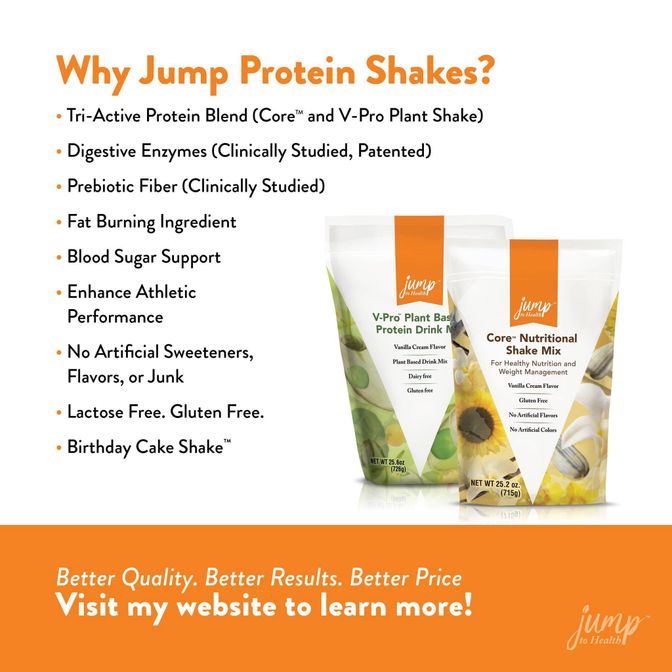
3. Jump To Health Core (whey) or VPro (plant) shakes. A lot of people think of protein shakes as being for losing weight or building lean muscle. The JTH shake is unique in that it is a health drink – that boosts gut health, supports kidney health, mood, brain, focus, immune and a lot more.

It is an easy to digest protein – in the right amount – so your kidneys don’t have to work so hard.

It also has a full serving of a clinically studied prebiotic fiber, and digestive enzymes.


Core and V Pro Protein https://www.fluid.app/s/aa95ed

4. Gluco Support – help control your blood sugar, and lower the glycemic index of foods. 

1 small capsule before 1 meal – and you can help reduce weight, cravings, and control blood sugar which can impact your heart and your kidneys.

Gluco Support https://www.fluid.app/s/89709c

We have other products that can help too – but these would be the key ones. Plus we provide free meal plans, recipes to help you change your lifestyle – one day or even one meal at a time. Start slow with Gluco Support or Fiber Pro. Add the Fruit & Veg. Get tested – see if you see improvements. Add a shake – that tastes like birthday cake and is natural. You’ll save $ vs. other brands and save on groceries too. 


So if you are worried about kidney health – then take the jump to better health – with Jump To Health. 

https://www.kidney.org/atoz/content/heart-and-kidney-connection

Kidney Stones

Kidney disease, kidney stones are becoming more prominent.

Kidney stones are common and are on the rise. About 11 percent of men and 6 percent of women in the United States have kidney stones at least once during their lifetime. We spend over $2bn in health care in the US on kidney stones each year. And they are painful. My husband has had them and it is awful to see the pain it can cause. 


There are different types of stones – with the about 2/3 being calcium based. Yet it is not calcium that causes them. Low calcium diet and low urine volume can lead to more kidney stones. The best proven method of stone prevention is to increase the amount of urine that you make. By the simple process of urinary dilution, crystals are unable to collect within the kidney and pass in the urine without forming a stone.

So drink more water. With 75% of us dehydrated – we can all drink more.


Also check for metabolic health issues. Metabolic disorders – If a condition or disorder prevents the body from properly breaking down food, it can lead to high levels of oxalate and cystine in the urine, which leads to stone formation.

 Learn more About Jump to Health http://www.livelife-now.com

Wednesday, April 30, 2025

Anxiety, ADHD and Diet

Anxiety, ADHD and Diet

The brain and gut are interrelated and the balance of our gut can definitely impact our mood, anxiety, PTSD and more.
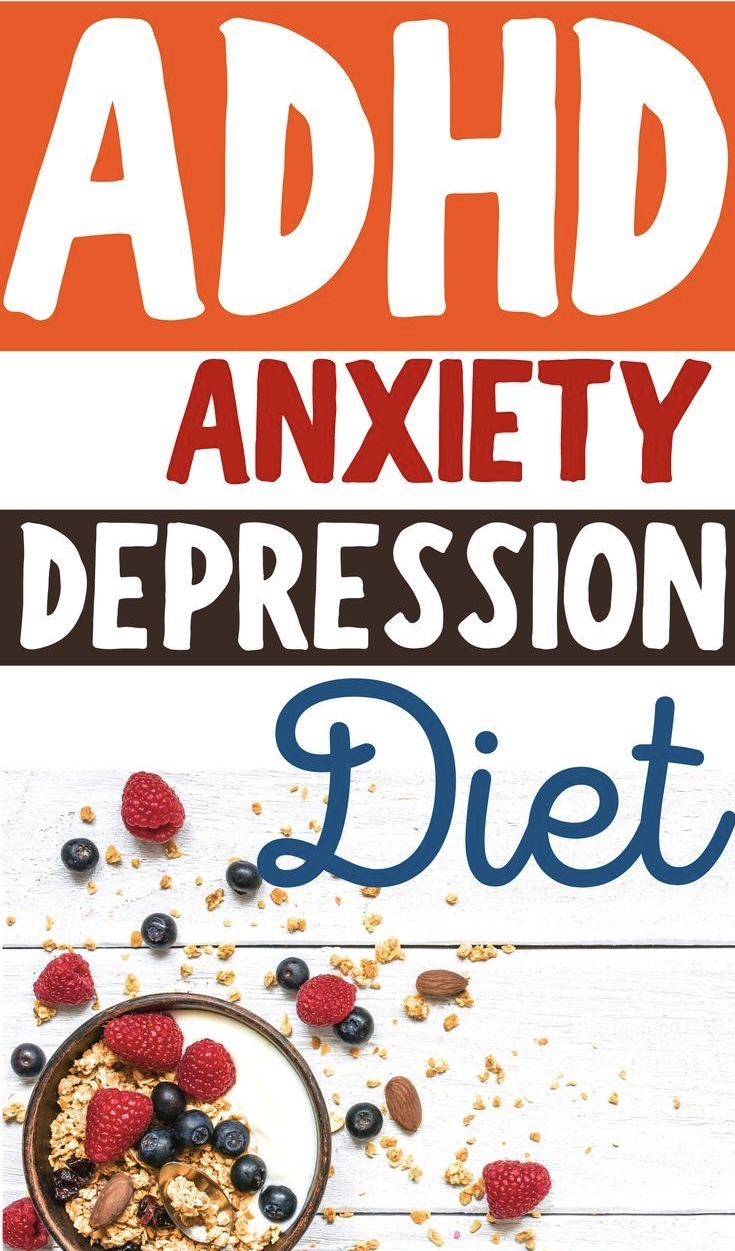
 

Anxiety is pretty common – about 18% of the population has anxiety at any given time. It can result in heart racing, trouble sleeping, trouble concentrating. It is also interlinked with depression. Almost ½ of people diagnosed with depression have anxiety. Though they are different disorders, the treatment for them is often the same.

https://www.medicalnewstoday.com/articles/326354.php#anemia


Nutrition and exercise can help. Studies show that exercise is also very important and there’s lots of evidence that regular exercise boosts mood, especially if you’re able to exercise outdoors in a green environment. Even a walk in the park or a stroll by the river is thought to be helpful.


https://www.mayoclinic.org/diseases-conditions/generalized-anxiety-disorder/expert-answers/coping-with-anxiety/faq-20057987#:~:text=In%20some%20people%2C%20certain%20foods,overall%20physical%20and%20mental%20health.


Most doctors only know how to treat with medications. They are not nutritionists, and they do not have the time, nor do they get paid by insurance, for teaching what to eat to help improve health beyond the general guidelines. 


So how and why can nutrition help those feel better if they have anxiety and/or depression?

The gut and brain are connected through the gut-brain axis, which sends signals between the two via the vagus nerve. This communication can be disrupted by imbalances in the gut microbiota or bacteria, which may lead to mental health issues like anxiety and depression. For example, irritation in the gastrointestinal (GI) system can trigger mood changes by sending signals to the central nervous system. This can cause the brain to go on high alert, similar to how an anxious mind can cause an upset stomach.


Johns Hopkins Medicine there is that changing the gut microbiome can help with anxiety. For example, scientists have shown that transplanting gut microbes from people without anxiety into those with anxiety can help reduce symptoms in the short term. Probiotic supplements may also help, as one study found that they improved depression and sleep quality in students with mild anxiety and depression


Much of our poor diet is due to how much sugar and carbs we now eat. Sugar works in the brain like cocaine – and creates a happy rush, followed by a fall. So, we crave more, eat more. It then feeds the bad bacteria in our gut, altering our serotonin, our gut brain axis, and our mood. A vicious cycle.


Harvard Medicine had an article recently on this too. 

Pay attention to your gut-brain connection – it may contribute to your anxiety and digestion problems.

https://www.health.harvard.edu/diseases-and-conditions/the-gut-brain-connection


The Jump To Health™ Core shake can help for a fewreasons:

1. Protein in the morning – the Mayo clinic recommends a protein breakfast to help anxiety because it gives you energy and helps keep your blood sugar in balance. This can help with mood.

The Jump To Health protein shakes provides easier to digest protein than other brands, and higher quality too. Then we add in the Aminogen® and make it even easier to digest and absorb. Then the prebiotic fiber in the shake has been clinically shown to boost probiotics by up to 40%. 

This helps balance the gut and that helps balance the gut brain connection.

Not only has prebiotic fiber been studied for helping with gut health, but depression too.

Prebiotics feed "friendly" bacteria in the gut, and research has shown that people with certain digestive disorders have a higher risk of anxiety and depression. In fact, eight out of nine clinical trials that treated patients with prebiotics or probiotics found that mood improved significantly, with a decrease in anxiety and depressive symptoms

https://www.ncbi.nlm.nih.gov/pmc/articles/PMC10490379/#:~:text=Of%20the%20nine%20clinical%20trials,in%20anxiety%20and%20depressive%20symptoms.


SO let your food be thy medicine and thy medicine be food is real.

What is also interesting in the clinical reviews - Depletion of serotonin contributes to depression, as it is important in mood regulation. Since 95% of our serotonin is made in the gut – this is another reason to focus on gut health. All of the Jump To Health products – all of them – have a benefit for gut health.

The hormone serotonin Serotonin​is a mood stabilizer, and impacts wellbeing and happiness.

Foods that boost serotonin include - apples, barley, berries, citrus fruits, chicory root, and Jerusalem artichoke, and butter helps with butyrate and then foods that help with tryptophan – including spirulina, milk, cheese, eggs, salmon, sunflower seeds, onion. 


The shake, fiber pro has the prebiotic benefits of chicory root, Jerusalem artichoke in it. 

Info on Fiber Pro https://www.fluid.app/s/2042e9

Info on JTH Protein https://www.fluid.app/s/aa95ed

The spirulina and other nutrients that boost serotonin are also in our Fruit Power and Veg Power capsules. 


Now interestingly – I talk a lot about the Aminogen® in our shake – that it is there to help us digest the protein and absorb it into lean muscle. But there are other health benefits too – including helping serotonin and mood.

https://www.neuroscienceinc.com/news/2023/understanding-digestive-enzymes-and-supporting-healthy-digestion

Info on JTH - Aminogen http://danielmkrieger.blogspot.com/2025/04/millions-of-women-are-under-muscled.html

Proteolytic enzymes or Aminogen are digestive enzymes that break down proteins into amino acids. These amino acids help the body build muscle and neurotransmitters, including serotonin, dopamine, and GABA.  


So, the shake can help because it helps keep blood sugar stable, boosts probiotics in the gut for better balance, and helps boost serotonin too.


Then Control. Why is control so powerful in helping people feel happier?

Per medical news – one ingredient in the Control is 5HTP. 5-Hydroxytryptophan (5-HTP) is a naturally occurring amino acid, and is the precursor for neurotransmitters, which are chemicals that transmit a nerve impulse across neuronal gaps that are called synapses. These neurotransmitters include serotonin and melatonin.https://www.news-medical.net/life-sciences/The-Relationship-Between-Serotonin-and-5-HTP.aspx


5-HTP helps raise serotonin levels in the brain. Since serotonin helps regulate mood and behavior, 5-HTP may have a positive effect on sleep, mood, anxiety, appetite, and pain sensation.


https://www.news-medical.net/life-sciences/The-Relationship-Between-Serotonin-and-5-HTP.aspx

https://www.sciencedirect.com/science/article/pii/0003986162900620


Now that is not the only ingredient that can help support healthy mood.

In addition to 5HTP, which converts to serotonin, we also have Dl-Phenylalanine. This is also a natural amino acid. DL-phenylalanine can increase serotonin activity, which could help with pain relief and depression in patients taking opiates for chronic pain. It is also known for its antidepressant properties, because it may increase norepinephrine levels, which can help with depression and attention issues.


In addition, Control has 75 mg of caffeine. 

Info on JTH Control https://www.fluid.app/s/e79bee

Per WebMD –Research into coffee and depression has found that people tend to experience less severe symptoms when they drink coffee.


Now in high doses caffeine can make anxiety worse. But at low levels – which is what we have in Control - In low doses, caffeine may help depression,” per the Journal of the American Medical Association. The reason is because caffeine “stimulates dopamine, which is a chemical in your brain that plays a role in pleasure motivation and learning.”


https://www.webmd.com/diet/what-to-know-about-coffee-and-depression 

https://www.ama-assn.org/delivering-care/public-health/what-doctors-wish-patients-knew-about-impact-caffeine


The caffeine source we use is from Guarana. This is a tropical fruit that is known for boosting happy feelings, help reduce fatigue, boost brain health, and protect the heart.

https://www.healthline.com/nutrition/guarana-benefits

One study looked at the effects of different doses of guarana on mood and learning. Participants received either no guarana, 37.5 mg, 75 mg, 150 mg, or 300 mg.


People who received either 37.5 mg or 75 mg of guarana achieved the highest test scores. Since low doses of guarana provide low doses of caffeine, it is believed that other compounds in guarana aside from caffeine may be partially responsible.


And guarana has a lot of good safety data too. It has antioxidants and many health benefits including helping with eye health as we age, fighting cellular issues, boosting gut health. 


Then green tea extract – one of the most studied ingredients of all time – has neurochemical and behavioral benefits because it too increases dopamine and serotonin.

hhttps://pubmed.ncbi.nlm.nih.gov/23625424/#:~:text=An%20increase%20in%20dopamine%20and,serotonin%20and%2For%20dopamine%20metabolism.


Last but not least in Control is Garcinia. It too has been well studied and shown. In one study it was shown to helpanxiety, sociability, and dopamine production. Dopamine is another hormone that is involved in brain function,pleasure, memory and attention, focus. Back to the gut again – about 50% of dopamine is produced in the gut

https://link.springer.com/article/10.1007/s42452-021-04902-z


So, Control boosts mood, a little energy, and boosts gut health too. It is great when dieting as it can help lessen cravings and help you stay on track. Or it can help those who want to get a boost of good mood.


Now what do we eat that can help or hurt our happy mood?

The average American diet has gotten bigger, and heavier on grains, and lower quality fats.

https://www.pewresearch.org/fact-tank/2016/12/13/whats-on-your-table-how-americas-diet-has-changed-over-the-decades/


Your brain is about 2/3 fat – and it needs fat to thrive. It also needs antioxidants found in fruits and nuts, tea, and other products. Foods that can impact the brain and your mood include:


-​Nuts – high in fat, and fiber- especially macadamia nuts, almonds

-​Omega fats – like those in our shake and Vital Omega – flax, sunflower, or fish oils. These all support a healthy brain. Everyone should take an Omega – you really cannot get enough. And guess what – we have a super powerful and unique one coming July 1!

-​Low sugar. Sugar is so bad for the brain. Watch how much sugar you are eating. You will see it in everything. 

-​Caffeine – a lot of studies are showing that caffeine in coffee or tea can help support a healthy brain and mood, and fight Alzheimer’s and Parkinson’s, even memory loss.

- Protein- our body is comprised of protein – our skin, hair, muscles, nails- all need protein to thrive. We need to get adequate protein.

-​Hydration – most adults are dehydrated – 74%. This slows metabolism and affects our brain too. So be sure to drink lots of water, and tea to help the brain. Especially green tea.

-​Fiber – there are so many studies right now on the emerging area of our second brain in our body – our “gut’. You can google it. Your gut is where 94% of your serotonin resides. So, if you have a bad gut bacteria imbalance – you will not sleep as well, you can be crabbier. We use a special fiber in our Fiber Pro. Studies have been done on it that show that it helped school children do better on tests than those who don’t take it. It really is a great product.

https://www.health.harvard.edu/blog/nutritional-strategies-to-ease-anxiety-201604139441


Foods to Avoid:

Fast food is cheap, convenient, and tastes good (most of the time). However, researchers believe there is a link between depression and levels of inflammation in the body, and inflammation is exacerbated by ingredients commonly found in large quantities in fast food dishes, like artificial trans fats, refined carbs, sodium, and sugar.


One large study found that people who eat fast food regularly are at a 40% greater risk of developing depression, and researchers suggest that the high amounts of trans fats in fast food products were a primary contributing factor. Meanwhile, other researchers discovered that people who frequently eat fast food were less resilient to depressive symptoms.

https://psychcentral.com/depression/foods-that-cause-depression#alcohol


So, for fast meal – have a shake instead. It takes less than a minute to mix up a smoothie, a minute to make a microwave or bundt cake. And 15 minutes to make 5-6 protein bagels using our shake mix. 

Make some pancakes with our shake mix and freeze. There are many ways to get healthy meals, fast. Also take a look at our New You in 22 program – the meals and sides are easy to make and food the whole family can enjoy – and they are low sugar, low glycemic and good for brain health and mood. 


Many people enjoy a glass or two of wine to lift their mood, and it’s hardly surprising — alcohol encourages the release of serotonin (aka the “happy chemical”) in our brain.


However, for those with depression, drinking alcohol could have the opposite effect, as studies suggest higher intake may lead to increased symptoms. This is sometimes called “alcohol-induced depressive disorder,” which occurs only shortly after you drink alcohol


Simple or refined carbs – white rice, pasta, white bread – these turn to sugar in the body and impact mood and gut health, feeding a bacteria imbalance. plenty of research supports the link between unrefined grains and depression. For example, one in women post menopause saw that those who ate refined grains had a greater risk of new-onset depression. If you want to eat these – take a GlucoSupport before the meal to help lower they glycemic load, lower the absorption and calories too.


We have long been warned of the dangers of eating too much salt, particularly around the negative effects on blood pressure and cardiovascular health. But it also impacts inflammation in the body, and has a negative impact on the gut microbiome, which impacts the brain too. Today the average adult in the USA is eating 4000 mg of sodium a day – when we should get 1500-2000mg. So, when shopping, look for low sodium or no sodium added foods. And stay hydrated. We know that the average person is dehydrated – drink more to help flush hidden sodium out. 


Sugar- Some research indicates a link between sugar intake and depression. Sugar increases inflammation and hormone imbalance, both of which are linked to mood, feeds the bad bacteria in the gut, and has a potential impact on the growth and development of brain cells. 

influence on neurotransmitters in the brain


Aspartame and artificial sweeteners - in one people who consumed a diet high in aspartame experienced more depression and irritable mood. Researchers suggest this may be because the ingredient impacts the balance of chemicals in the brain (such as the “pleasure” chemicals serotonin and dopamine) and increases levels of cortisol, the “stress” hormone. This ingredient is in a lot of diet sodas.


Eat more fruits, veg, protein, especially at breakfast. Eat healthy fats for brain health. Plenty of fiber and water for gut health. Avoid sugar, watch the alcohol, and salt and sugar and aspartame.


Nutrition recommendations:

1. Add a magnesium supplement. We have magnesium in KeTonic, and adding more may be good – so look for a magnesium supplement at your pharmacy or grocery store. https://www.fluid.app/s/c39657
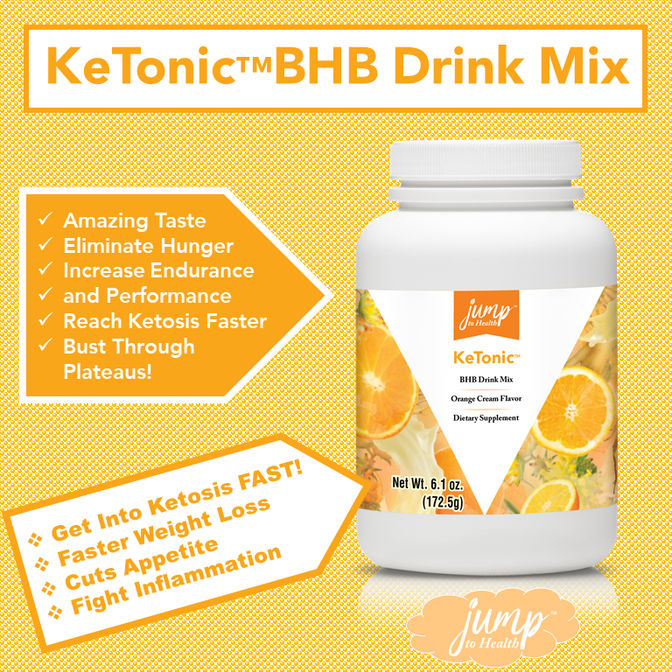
3. Add the Fruit & Veg capsules – anti inflammatory andvery good for the gut. https://www.fluid.app/s/942f1a

4. Add Fiber Pro for the gut brain axis https://www.fluid.app/s/2042e9
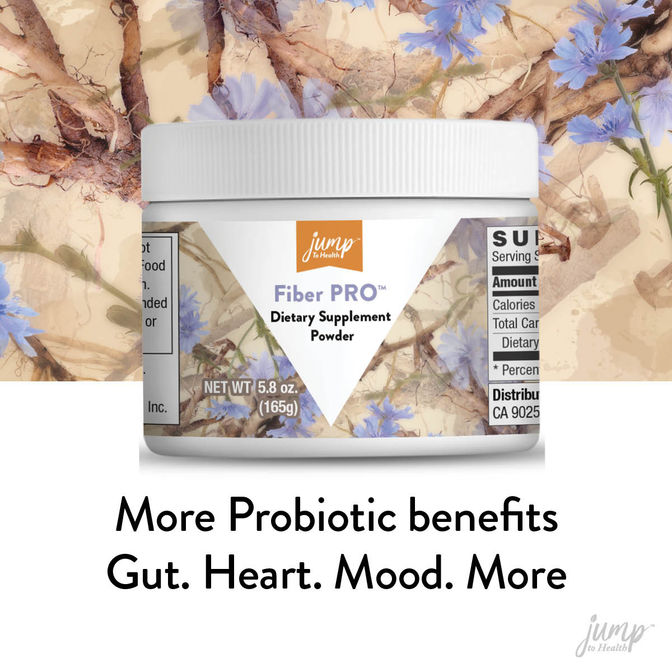
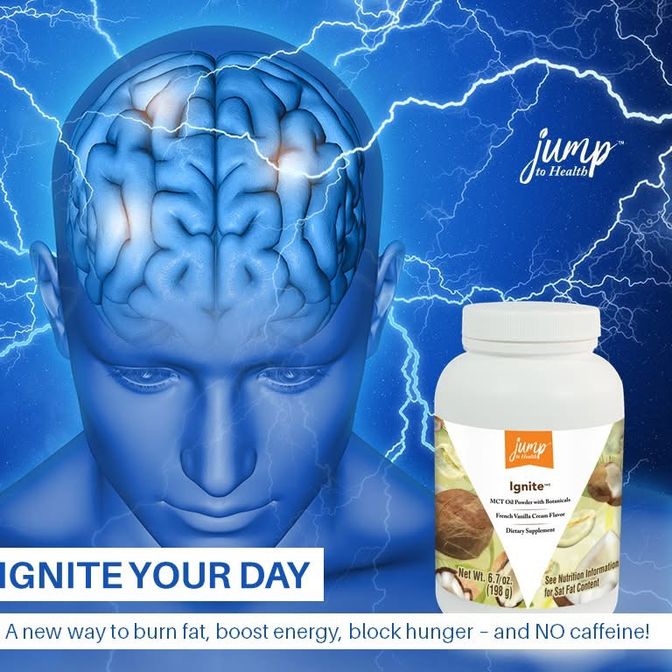
5. Ignite for the healthy MCT for the brain and gut https://www.fluid.app/s/8403cc
6. Vital Omega – it molecularly distilled and 4x more potent than common omega’s. https://www.fluid.app/s/829a78

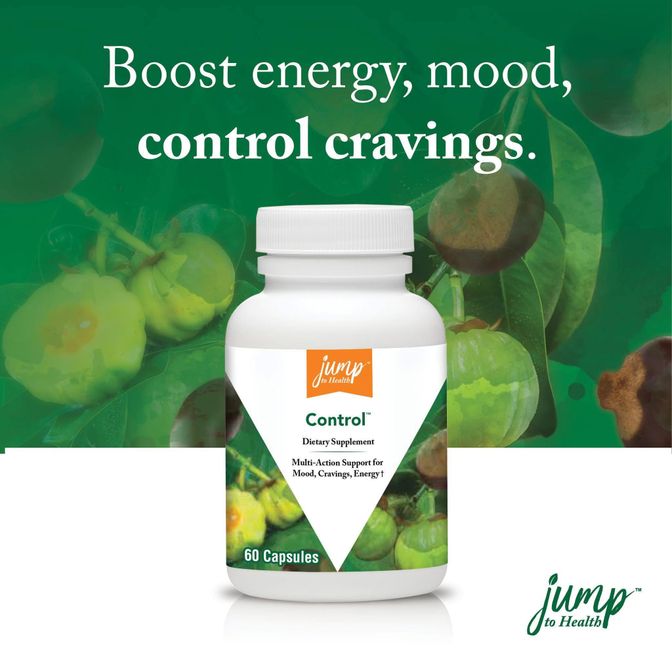
7. Control – for mood boosting and energy and our shake. https://www.fluid.app/s/e79bee
 

Our New You In 22 program is good because it is healthy fats, no sugar, and it detoxes. 

The Power Ox tea is good because it has Rhodiola, as does the Control. The control may be good as it boosts brain and mood more with 5HTP and Gaba. Joint Healthmay help with the anxiety and it is powerful anti-inflammatory. 


Fruit, Veg

https://www.ingentaconnect.com/content/ben/cnf/2010/00000006/00000001/art00003

https://www.sciencedirect.com/science/article/abs/pii/S0955286317306332

http://geetaraibhu.org/admin/FileUpload/Publication/11%20A%20novel%20formulation%20of%20veggies%20with%20potent%20anti-migraine%20activity.pdf


Fiber Pro

https://www.truehealthinitiative.org/news2019/why-prebiotics-are-the-most-important-nutrient-to-boost-your-mood-and-prevent-anxiety-and-depression/

https://www.ncbi.nlm.nih.gov/pmc/articles/PMC4410136/


Control

https://www.psychologytoday.com/us/blog/integrative-mental-health-care/201810/5-hydroxytryptophan-5-htp-anxiety

https://www.medicalnewstoday.com/articles/324025.php


Tea or Excelerade or KeTonic – Rhodiola

https://www.healthline.com/nutrition/rhodiola-rosea

https://www.ncbi.nlm.nih.gov/pmc/articles/PMC4297663/


Magnesium

https://www.healthline.com/nutrition/magnesium-dosage

https://www.ncbi.nlm.nih.gov/pubmed/23950577


Omega

https://nccih.nih.gov/research/results/spotlight/072811.htm

https://www.mayoclinic.org/diseases-conditions/depression/expert-answers/fish-oil-supplements/faq-20058143


New You In 22 Diet

https://www.ncbi.nlm.nih.gov/pmc/articles/PMC5357645/

https://www.psychologytoday.com/us/blog/diagnosis-diet/201706/ketogenic-diets-psychiatric-disorders-new-review

https://medium.com/the-mission/low-carb-diets-can-eliminate-your-anxiety-and-boost-your-productivity-79d14416b8ae

Learn more about Jump to Health http://www.livelife-now.com

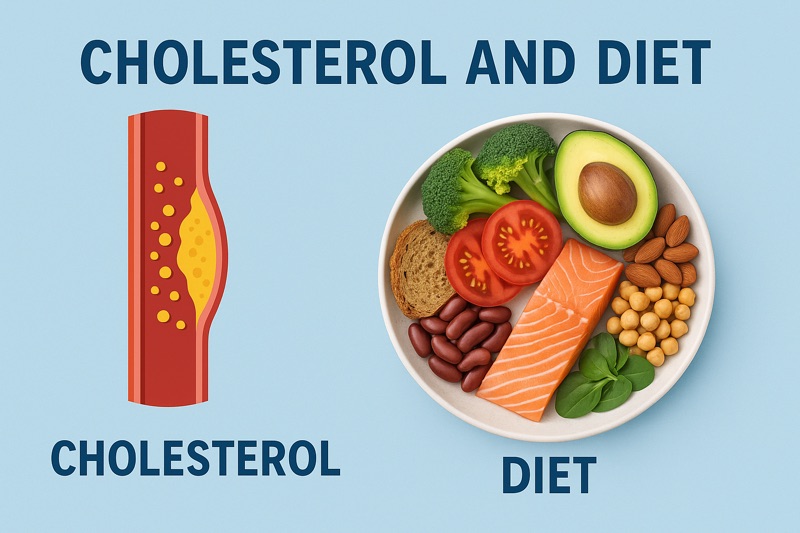
Cholesterol and Diet

  Cholesterol and Diet   Cholesterol is a waxy, fat-like substance that your body needs to build cells and make hormones and vitamin D. ...