Showing posts with label fruit. Show all posts

Thursday, July 31, 2025

Bariatric Surgery, SuperFood Power

Bariatric Surgery, SuperFood Power


280,000 people will have bariatric surgery to help them curb hunger, eat less, and lose weight. An estimated 15 Million are on or trying to get on Ozempic. Both of thesecurb hunger, both can result in side effects that leave you depleted, tired, and even losing muscle and other side effects.
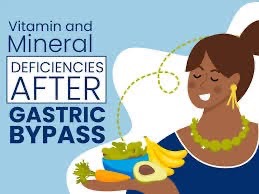
 

Both Ozempic and Bariatric surgery can result in nutritional deficiencies. With bariatric surgery the stomachis smaller, we eat less, and we feel fuller fast. Ozempic works by slowing the stomach emptying – which can make you nauseous and uncomfortable. Both can result in pretty awful constipation too. And fiber – can make it worse for both patients. Fiber. Which we need for gut health, to lower cholesterol, to feed good probiotics in the gut. Without it we have more bad bacteria which can lead to leaky gut syndrome and illness. 


In bariatric surgery- The size of the stomach is about 3 ounces, or the size of an

egg (gastric bypass) or small banana (sleeve gastrectomy).

Only a small amount of food or liquid can fit into thisstomach, which will limit daily calorie intake.


A typical meal size shortly after surgery may be 2 Tbsp. to¼ cup. About 1 year after surgery, a typical meal size is 1to 1.5 cups


Bariatric surgery can result in nutritional deficiencies. 


Vitamin, Mineral, and Nutrient Absorption

• The smaller stomach size, decrease in stomach acids, and smaller portion sizes will reduce the body’s ability to absorb vitamins/minerals from food.  After gastric bypassor lapband, the shortening of the small intestine will further limit absorption of nutrients. Vitamin and mineral supplementation is not temporary. They are required for life!


After bariatric surgery the body may become intolerant tofoods high in sugar and high in fat. These foods maycause nausea vomiting, gas, bloating, and diarrhea.

Foods that may have been well tolerated before surgerymay be less tolerated after surgery.

Some people may not be able to tolerate healthy foodssuch as raw leafy greens, eggs, beef, and pork.

Food intolerances are different for everyone.


Some side effects of both bariatric surgery and Ozempicinclude:

Burping

Bloating

Lactose intolerance 

Diarrhea

Dizziness

Fatigue

Rash

Hypoglycemia

Nausea


Even with supplementation, on average 50% of patients are deficient in nutrition. Protein and fat malabsorption is common. 


And protein can become harder to digest because with bariatric surgery, the stomach is so much smaller that it is estimated about 60% of all patients do not get enough protein a day. Many fail to get ½ of what is recommend – 70gr a day. And it may be harder to eat enough protein as your hunger is so small, and it makes you feel fuller – and often uncomfortable. 


- Protein is not just needed for lean muscle too. Proteins have a number of important actions. They are vehicles for the bodily functions of metabolism, digestion, and replication of DNA. They frame the structure for cells such as hair, skin, and nails. They help the body to combat infection by strengthening the immune system.


https://www.nytimes.com/2023/04/21/well/eat/ozempic-side-effects-malnutrition.html


Eating too little protein can result in these symptoms as well:


A sluggish metabolism

Trouble losing weight

Trouble building muscle mass

Low energy levels and fatigue

Poor concentration and trouble learning

Moodiness and mood swings

Muscle, bone and joint pain

Blood sugar changes that can lead to diabetes

Slow wound healing

Low immunity

Sagging skin

Puffy eyes

Dull skin


Too little protein and you are also make you moody, because you to have brain fog, cause you to not sleep well, slow down wound healing, impact women’s menstrual cycles, and make your workout harder.


How can SuperFood Power Help?

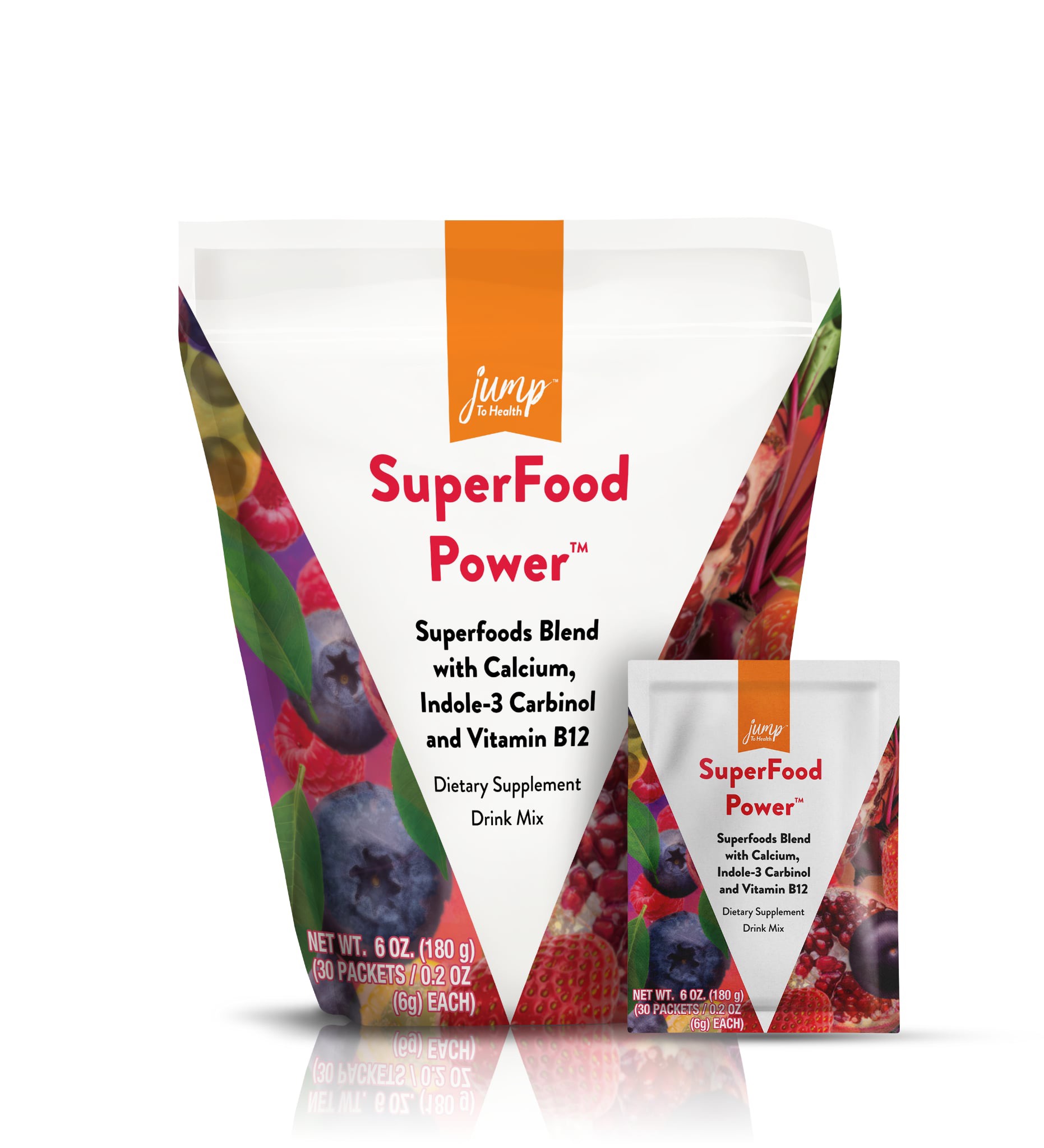
1. It can help you get the nutrition you need from greens like kale in a great tasting berry drink.

2. It boosts gut health to fight constipation and dumping syndrome with prebiotics and probiotics.

3. It helps fill nutritional gaps. By focusing on protein first, many cannot get in enough fruits and vegetables that fight inflammation, boost gut health, immune health, eye health, heart health.

4. Bone health – without lactose or dairy it boosts bones with calcium.

5. No added sugar. We know that sugar can spike dumping syndrome, nausea and even headaches in people with a gastric bypass. The Superfood power tastes sweet but has no added sugar. It has 1 gr naturally occurring sugar – a tiny tiny amount.

6. It can be mixed in yogurt, Jump shakes, cottage cheese – to help boost nutrition while you get in your recommended protein.

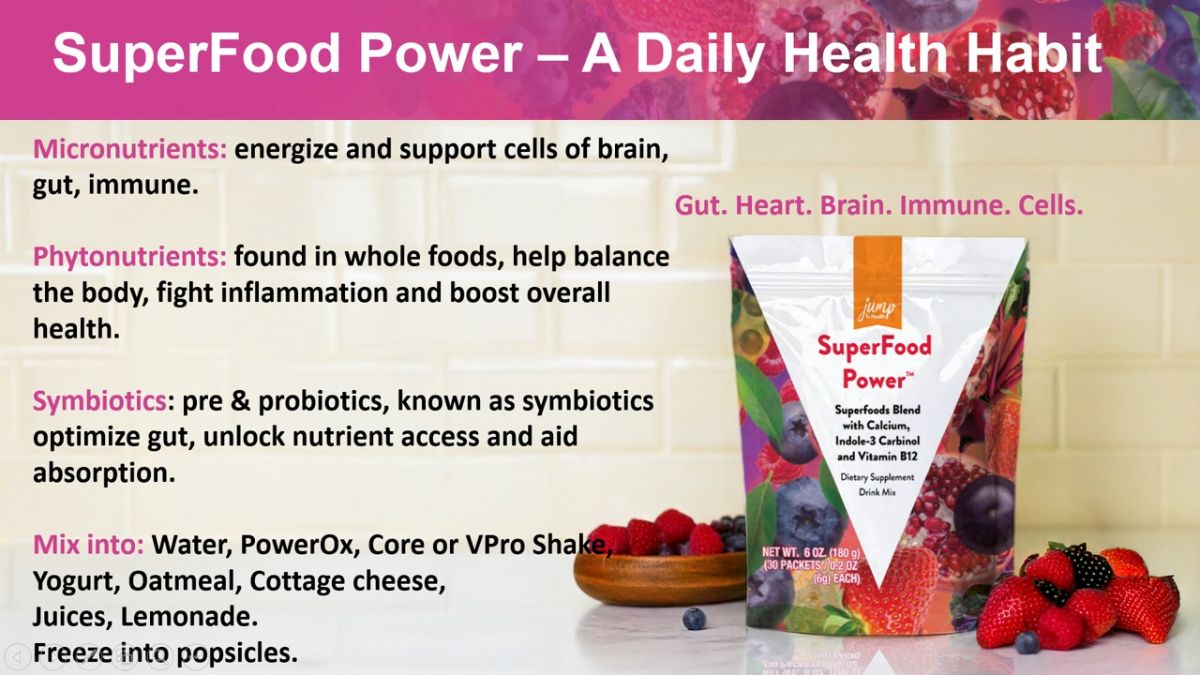
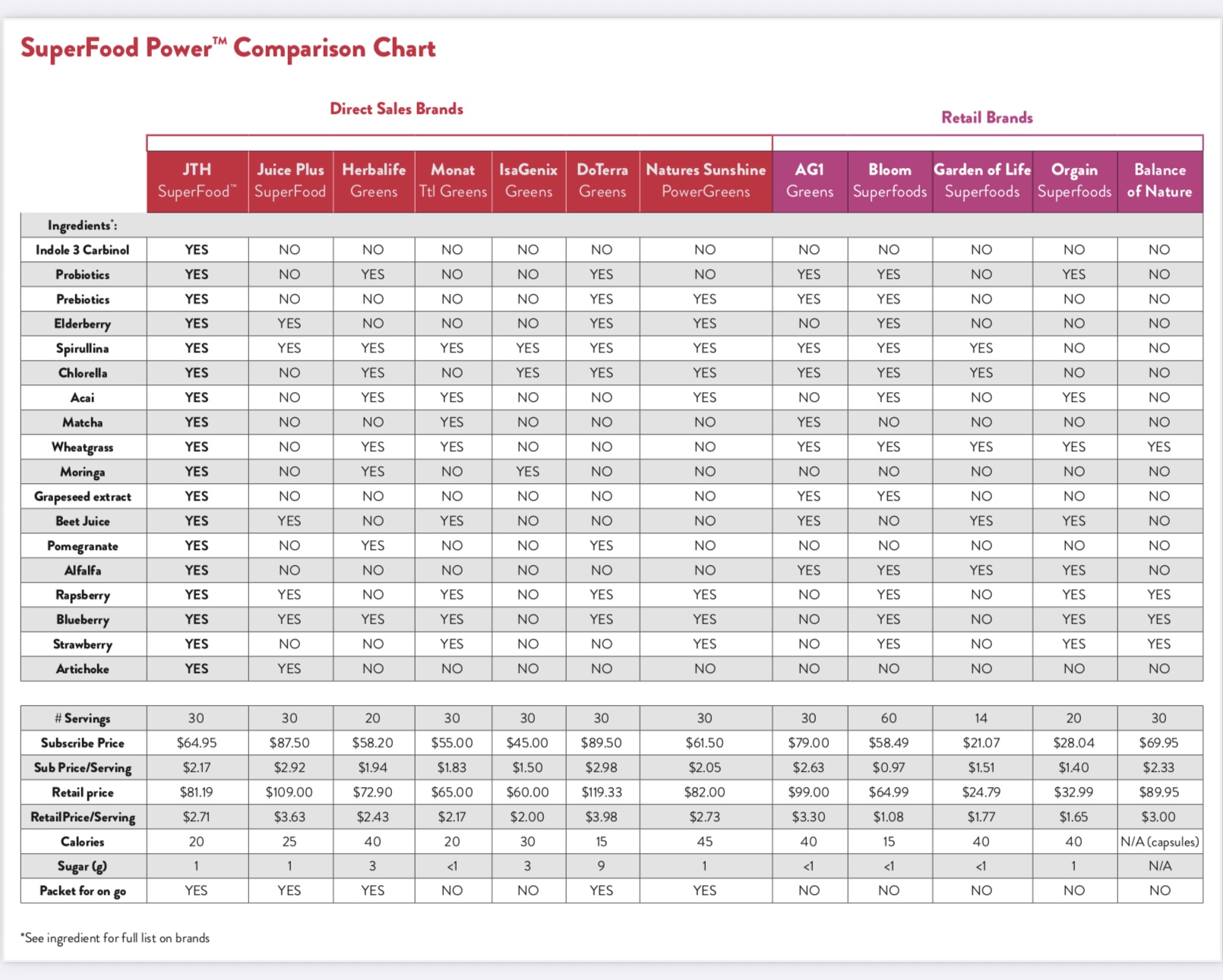
7. I3C – indole 3 carbinol. No other greens drink or superfood drink has this! Look at our competitor comparison chart. This nutrient has THOUSANDS of studies on what can help with. From balancing hormones, to protecting cells, to helping make chemo more potent, to helping fight inflammation – and even obesity.

Studies suggest I3C can reduce body weight, fat accumulation, and inflammation associated with obesity.


https://www.sciencedirect.com/science/article/abs/pii/S0955286312000204

Learn more about SuperFood Power https://www.fluid.app/s/f4fdaf
 

In the Journal of Nutritional Biochemistry – one article said:

Indole-3-carbinol prevents diet-induced obesity through modulation of multiple genes related to adipogenesis, thermogenesis or inflammation in the visceral adipose tissue.


Yeah – so combine a daily SuperFood Power with a Control – you can boost your mood, shrink fat cells, curb sugar cravings, and help prevent diet induced obesity.


Ok. I’m in with this daily health habit! Control and SuperFood to fight fat? In addition to being good for adults, and kids? 

YEAH


Superfood power -like getting 37 cups of kale worth of one nutrient. Plus b12 for natural energy support, calcium for bones, prebiotics, probiotics, spirulina and chlorella – so much health in one powerful purple drink!


Then other ways JTH can help.

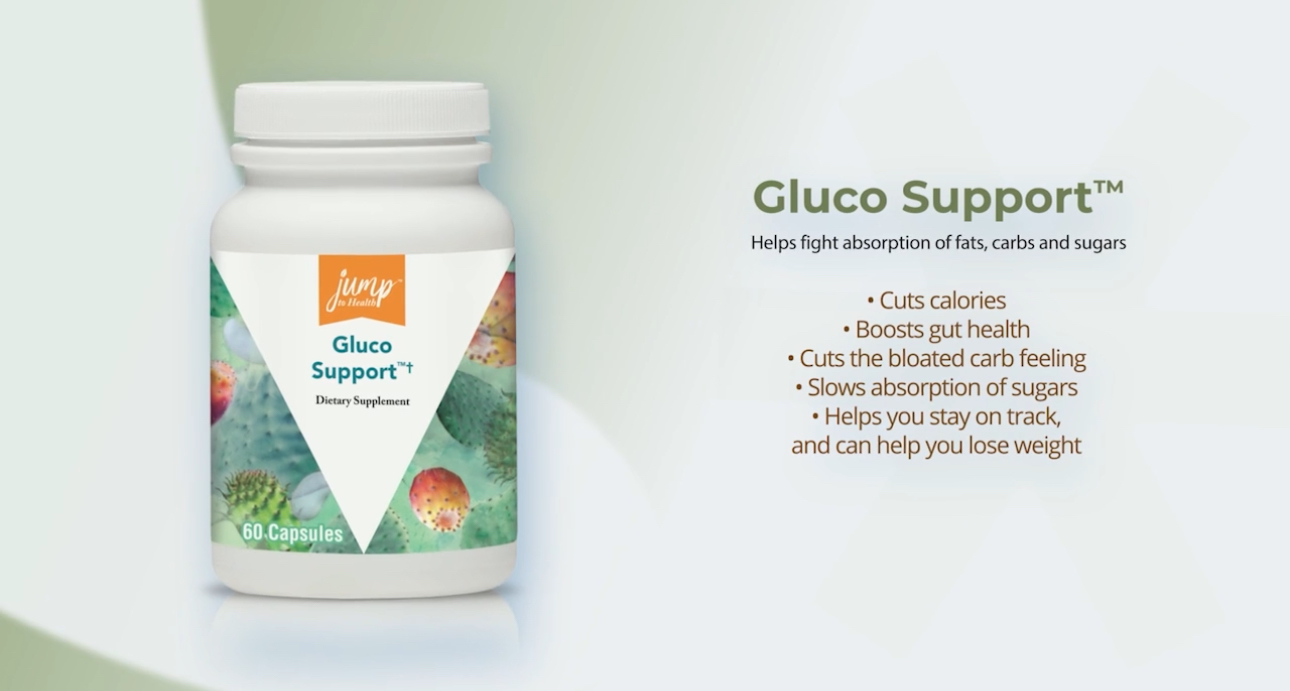
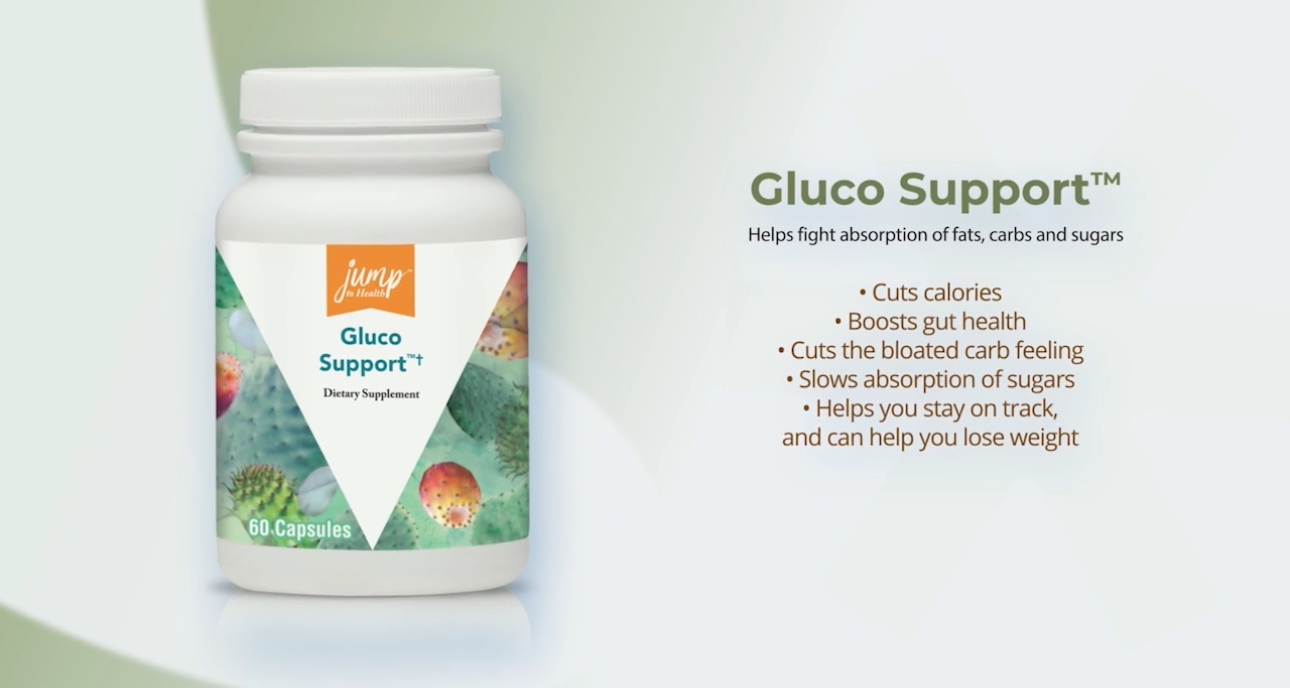
1. Glucosupport before a meal – to help fight absorption of fats, sugars – its’ a type of fiber to help absorb them and take them out of the body. Less nausea, bloat for those with Bariatric surgery.

Learn more https://www.fluid.app/s/89709c
 

2. Jump to Health shakes


Jump Core & Jump V Pro Shakes

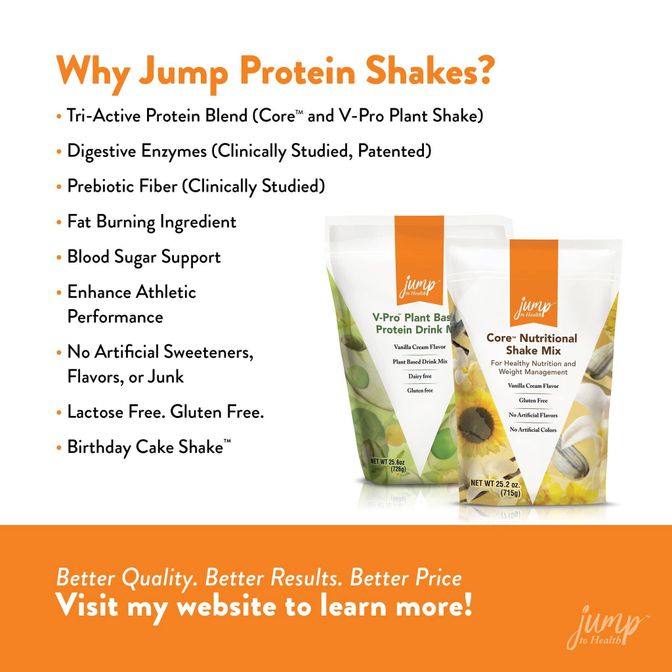
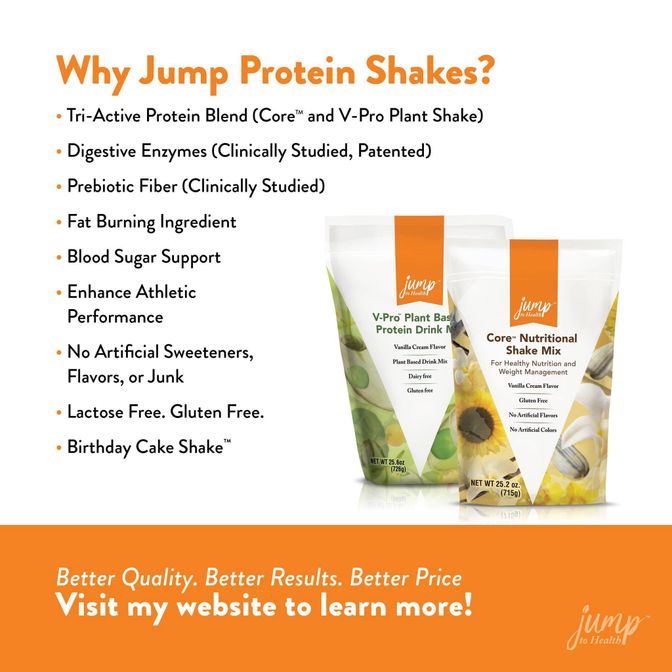
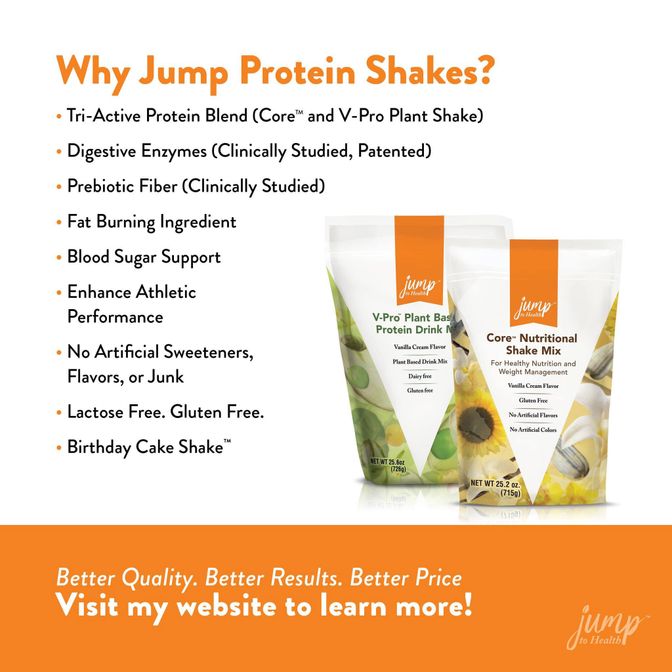
So our shakes are unique in that we have 2 different ones, and each has 3 types of high quality, non- gritty, great tasting proteins. Each shake tastes like old fashioned vanilla ice cream – but not too sweet. They are creamy and delicious. 


We used 3 types of higher quality protein – and lactose free, gluten free, soy free, sucralose free. These are hydrolysate, isolate and concentrate along with Aminogen- making it easier for the smaller stomach to digest, and easier for your body to absorb the nutrition. 

In both our Core (whey) and VPro (Plant) shakes – along with prebiotic fiber – which makes it easier to get when you have a smaller stomach. 

And a natural sweetener that is considered ‘not’ sugar- will help keep blood sugar in balance.

Does not spike insulin. 


You need high quality protein to build lean muscle. Some brands spike the grams with cheap fillers like gelatin – those are proteins, but they do not have the amino acids to build lean muscle. So it’s quality that matters. That is why when you try our meal plan with other shakes like Premier – you don’t get the results. 

 Learn more https://www.fluid.app/s/aa95ed
Bariatric Competitor Shakes

Now after bariatric surgery – a lot of doctors will recommend protein shakes because they can help you get protein into the body and have it be easier to digest. What is interesting is that this area of surgery is growing – and now there are bariatric ‘brands’ marketing shakes to people. What’s funny is they are similar to other shakes on the market. Just marketed as bariatric.


Looking at a two ‘Bariatric’ brands – I see some big differences.


One has corn syrup, sugar along with dextrose and artificial flavors in it, and only whey isolate.

The other was whey isolate and sucralose. One use a prebiotic fiber, the other did not. Both were about the same price as Jump.


Having corn syrup, sugar and dextrose – those are all sugars that can spike insulin and make you hungrier. And if you are on Ozempic or have bariatric surgery – can result in dumping syndrome. 


Not really all that great. Sucralose is fine, but we know many people want to avoid artificial sweeteners. The real key is both use only 1 type of protein, and don’t have the added Aminogen to help you better absorb the nutrition. So it goes back to doing more than just being protein – it is about building lean muscle, helping control blood sugar, and being good nutrition.


Fiber Pro

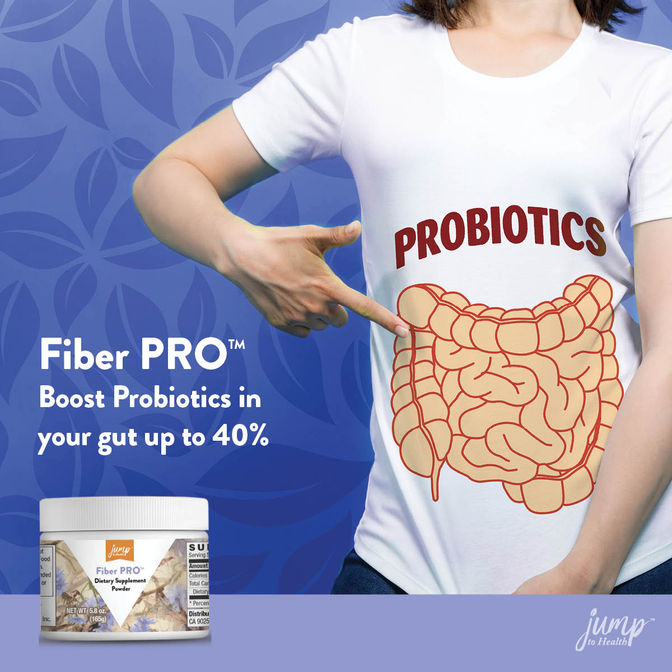
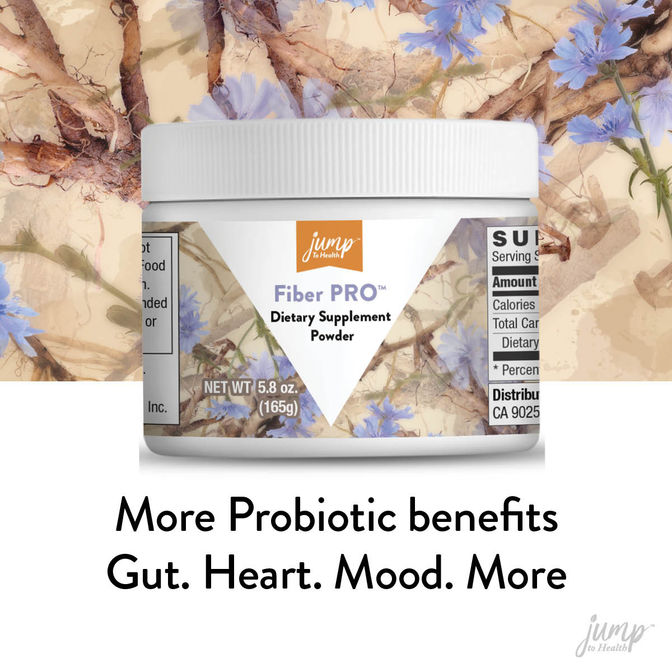
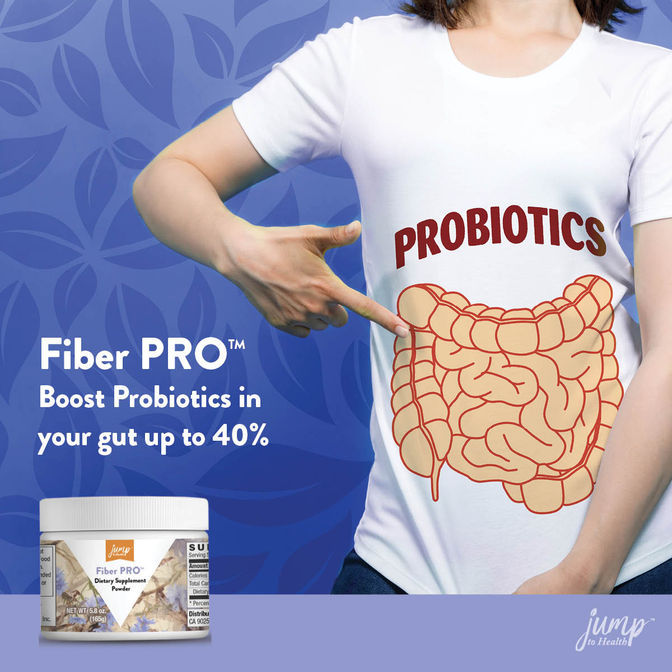
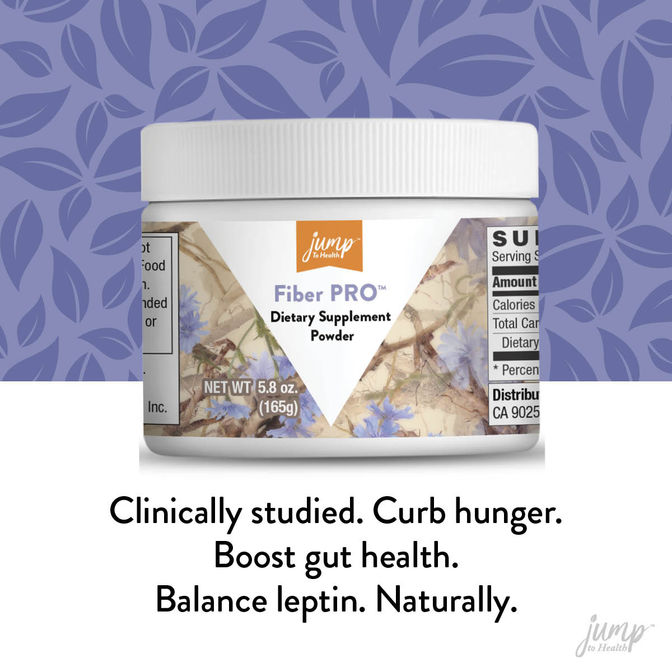
Fiber Pro can help slow the absorption of sugars in the foods we eat, and provide the prebiotics that aid the growth of healthy probiotics in the gut. It is hard to get these in foods – they are found in raw asparagus, cooked onion, cooked garlic, chicory root, banana. You’d need to eat 1.3 pounds of banana to get the same prebiotic benefit of one serving of Fiber Pro. It can be added to coffee, water, shakes, yogurt – it has no flavor, no grit, no gas and can help boost your mood, sleep, regularity, and more.


https://celebratevitamins.com/blogs/articles/fiber-after-bariatric-surgery

Learn More about Fiber Pro https://www.fluid.app/s/2042e9
 

 Return to HomePage http://www.livelife-now.com

Tuesday, July 22, 2025

Indole 3 Carbinol - SuperFood Power

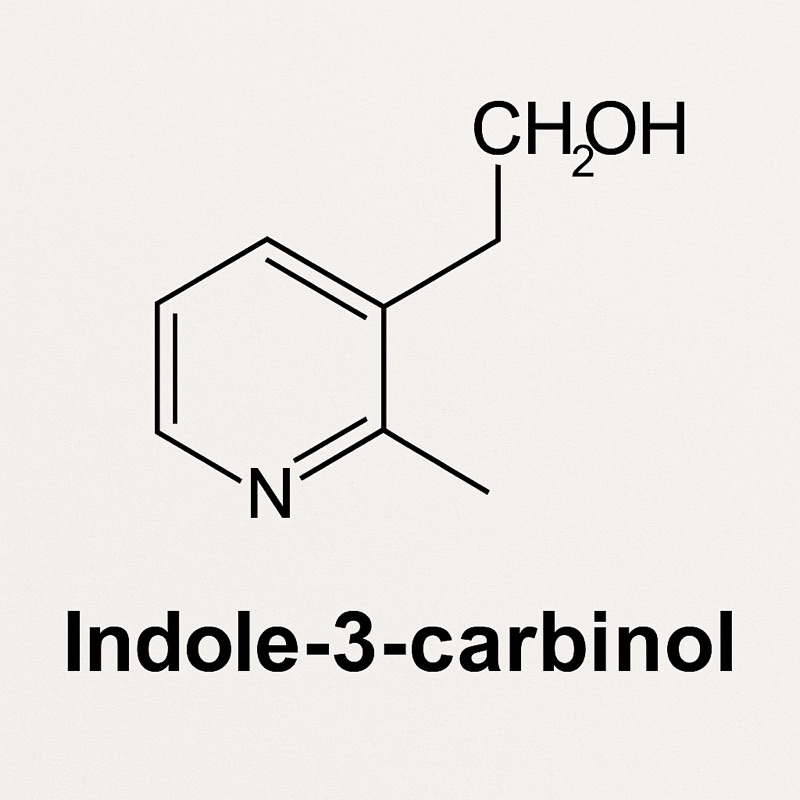
Indole-3-carbinol (I3C) is a powerful natural compound found in cruciferous vegetables like broccoli, cauliflower, Brussels sprouts, kale, and cabbage. It’s best known for its potential health benefits in hormone balance, detoxification, and cancer prevention.


Read article

https://www.ebsco.com/research-starters/health-and-medicine/indole-3-carbinol-dietary-supplement


https://slowaging.org/indole-3-carbinol-ic3/


 https://pmc.ncbi.nlm.nih.gov/articles/PMC9960368/


Here’s a quick breakdown of what it does and why it’s exciting that it’s included in your Jump To Health superfood blend:


What is Indole-3-Carbinol (I3C)?

• It’s formed when you chew or digest cruciferous vegetables. The compound glucobrassicin breaks down into I3C.

• Once in the body, I3C can convert into diindolylmethane (DIM), another compound linked to hormone support.


Health Benefits:

1. Hormone Balance

• Supports estrogen metabolism by helping the body convert “bad” estrogens into more favorable forms.

• May support hormone-related conditions like PMS, menopause symptoms, and even hormone-sensitive cancers (e.g., breast and prostate) — though more research is ongoing.

2. Detox Support

• Encourages phase I and phase II liver detoxification enzymes, helping the body process toxins and environmental chemicals.

3. Cellular Health & Cancer Research

• Shown in some studies to help protect DNA from damage, slow the growth of abnormal cells, and support apoptosis (natural cell death in damaged or harmful cells).

• Studied for its role in cancer prevention, especially in hormone-related cancers.

4. Immune Support

• May modulate immune function and support healthy inflammatory responses.


Info and order information https://livelifenow.jumptohealth.com/Shop/A-SuperFood-Power---Daily-Health-Balance

Why It Matters for Your Product


Including Indole-3-Carbinol in your Jump To Health superfood powder gives users the benefits of cruciferous vegetables in a convenient, concentrated form. It’s a smart ingredient for anyone focused on hormonal health, detox, and longevity.


🌱 What’s in your greens? Ours come with something powerful…

Say hello to Indole-3-Carbinol – a natural compound from cruciferous veggies like broccoli and kale. It’s not just a fancy name. Here’s why it matters:

How do we compare to others?

✅ Supports hormone balance (hello, healthy estrogen metabolism)

✅ Helps your liver detox naturally

✅ Aids in cell protection and long-term wellness

✅ Backed by research in hormone-related health and prevention


This is one of the reasons our superfood blend isn’t just healthy… it’s smart.

Fruit. Veggies. Science. Real results.


🟣 Found in our new super blend from Jump To Health.  We also are the only brand  to have it. 

Let your food do more than just fill you up, let it fuel your healing.

Return the Jump To Health homepage http://www.livelife-now.com


#JumpToHealth #Indole3Carbinol #Superfoods #HormoneHealth #DetoxNaturally #WellnessJourney

Tuesday, June 17, 2025

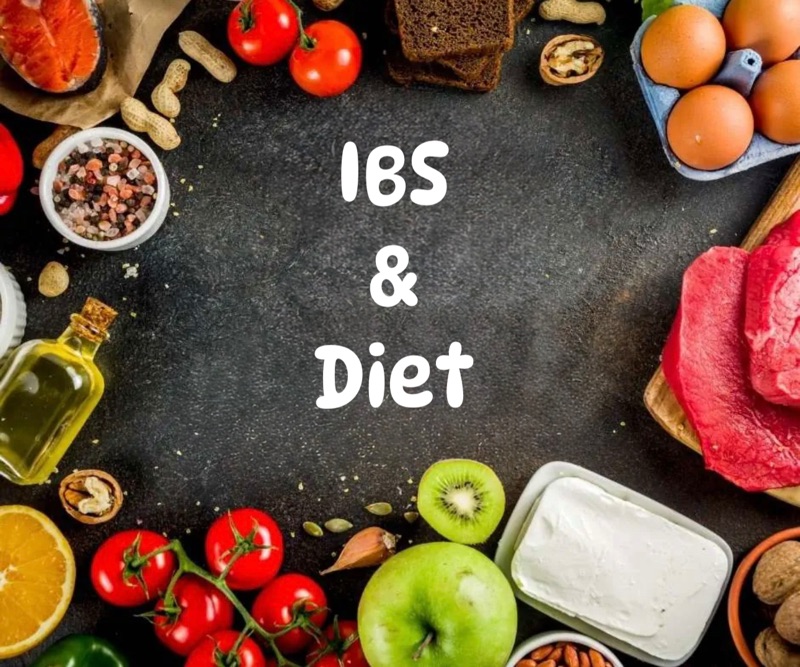
IBS & Diet

IBS & Diet

Digestive issue, and IBS and chron’s are on the rise, and much of it is due to our diet. About 8% of adults get enough fiber in their diet, and only about 1 in 10 in the USA get enough fruits and vegetables per day. IBS – is growing and affects all ages – including children. 45 Million people in the USA suffer, and 2 in 3 are women.

https://www.niddk.nih.gov/health-information/health-statistics/digestive-diseases


Our diet is one reason why. Our diet has shifted to a lot more sugar. Today the average person eats 156 lbs. of sugar per year, or almost 1 cup a day. In 1976 we ate only 26 lbs. a year. We don’t add sugar – so it’s hard to believe we eat this much. But it is hidden in food as it acts like a preservative (prevents mold in bread), tastes good and is addictive. 

Sugar feeds the bad bacteria in the gut, leading to more issues with gut health, immune, tiredness, sluggishness, brain fog and more. More inflammation, lack of sleep and the toll that stress takes on our bodies.


Our gut is our ‘second brain’ in the body. A gut bacteria imbalance can lead to weight gain, even eating the same foods as a thinner person.


Why does sugar trigger IBS symptoms? When you consume sugar your small intestine releases certain enzymes to help digest it. The molecules are then absorbed through the intestinal wall into the bloodstream where it can be used for energy. It is thought that a lack of enzymes needed to digest sugar may trigger symptoms of IBS. Hormones, alterations in gut bacteria, and stress may also play a role in triggering symptoms


Fructose is a problematic sugar if you have IBS. You can find forms of fructose in fruit juices, sodas, and packaged sweets. However, even natural forms of fructose in fruit can be problematic. This is especially the case with high fructose fruits, such as apples, grapes, and pears, as well as honey. You don’t have to avoid fruit altogether though. Instead, swap out higher fructose-containing fruits with ones that are known to contain less fructose. Berries, peaches, cantaloupe, and citrus fruits are not as likely to trigger IBS symptoms.


Some people with IBS are also sensitive to lactose, a naturally occurring sugar in milk. Your body breaks down milk with the help of lactase enzymes in the small intestine, similar to sucrase enzymes needed to break down sucrose. However, up to 70 percent of adults don’t make enough lactase in the body, and may experience lactose intolerance, as well as subsequent symptoms like bloating and gas. You can help this by using lactose free milk, or buying a supplement called Lactaid – an enzyme to help your body break down lactase.


Are there other foods to avoid if you have IBS?

Aside from sugars and sweeteners, there are other foods that can trigger IBS symptoms.

- Beans and lentils 

- Cruciferous veggies, including broccoli, cabbage, and cauliflower or dark leafy greens

- Onions

- Garlic

- Gluten

- Chocolate

- Spicy foods

- Fried and processed foods

- Caffeinated foods and beverages

- Alcohol

- Carbonated beverages


You can try cutting these foods and beverages from your diet to see if your symptoms improve. But remember that everyone with IBS is different, and restricting certain foods may not be necessary.

https://www.healthline.com/health/ibs-and-sugar


What are the signs of an unhealthy gut?

An unhealthy gut can appear as gas, bloating, constipation, and diarrhea, but it can present itself in many other forms as well. Autoimmune disorders like Hashimoto’s Disease, rheumatoid arthritis, Type 1 diabetes, and multiple sclerosis (MS), where your immune system is attacking different parts of the body, can also be a sign of an unhealthy gut. Brain fog, headaches, poor concentration and memory, fatigue, chronic pain, trouble sleeping and issues with cravings or bad moods are also symptoms and critical indicators of a poor microbiome. And key – if you have a gut bacteria imbalance – you can gain weight even eating the same food as a thin person.


Now what impacts gut? Diet.

Too much sugar, stress, lack of sleep and poor diet all impact the gut.

Alcohol consumption was the highest in 50 years due to Covid.

Obesity is now 20% of the population. 10 years ago, obesity was 6%. It’s gone from 6% to 20% in a short period, and carbs, starches, sugar, have everything to do with that."

https://www.ers.usda.gov/covid-19/food-and-consumers/

https://www.wxyz.com/news/local-news/study-shows-more-americans-are-reaching-for-junk-food-to-combat-covid-19-stress

https://www.goodrx.com/well-being/gut-health/link-between-gut-health-and-obesity

https://www.eatingwell.com/article/7918818/gut-health-and-weight-loss/


What To Eat to Boost Gut Health?

Fiber is key. A diet high in fiber and low in fat, sugar, and processed foods is how to help fix a bad gut. There is sugar in crackers, bread, cereal, canned vegetables, frozen vegetables too. That is because sugar makes food taste good, is cheap, is addictive – and is a preservative too.


Sugar will feed the bad bacteria. And it is fructose too. a high-fructose diet can alter gut microbiome, leading to gut dysbiosis and microbial metabolite disorder. In one study – researchers found that fructose, high fructose corn syrup, feed bad bacteria. But fruit – even high consumption did not – because the fiber in fruit offset and slowed the fructose impact, and because the phytonutrients in fruit help feed good bacteria. This is why we teach how to read labels – and if you see fructose or sugar in the first 4 ingredients – avoid it.

https://www.ncbi.nlm.nih.gov/pmc/articles/PMC8912426/#:~:text=Unabsorbed%20fructose%20is%20converted%20by,dysbiosis%20and%20microbial%20metabolite%20disorder.


https://www.nutraingredients.com/Article/2020/11/11/Study-Fructose-syrup-disrupts-gut-microbiome-but-fruit-can-undo-negative-effects#


Foods that help – prebiotic, probiotic, high fiber foods, and healthy fats like avocado, butter, olive oil, nuts, fish – help.

Prebiotics: apples, artichokes, asparagus, bananas, barley, beans, broccoli, cabbage, cacao, flaxseed, garlic, leeks, lentils, oats, onions, raw honey, and whole wheat. Probiotics: kefir (milk- or water-based), kimchi, kombucha (learn how to make kombucha at home), miso, pickles, raw/unfiltered apple cider vinegar, sauerkraut, tempeh, and yogurt (dairy or nondairy).


Jump To Health Products:

Every single product in Jump To Health can have a beneficial impact on gut health, immune health, heart health, mood, brain health, and weight.


We have the most clinically studied ingredients in our products – more than other companies, even the largest ones. For example, in our shake – we have 5 patented and clinically studied nutrients. And these studies show these ingredients help you feel fuller longer, help burn fat, help build muscle, help boost good gut bacteria or probiotics, and help control blood sugar too. No one has better protein. And no one uses our sweetener nor added nutrients. 


1. Fiber Pro- a key to a healthy gut. Fiber Pro has many testimonials from people that claim, including me. Fiber Pro has 2 clinically studied prebiotic fibers -shown to boost healthy probiotics in the gut + 40%. That is 40%. Far more than a probiotic. This is because to work a probiotic need to survive the stomach acid, get past the small intestine, and get to the large intestine to work. Think of a 5-gallon bucket and dropping ½ a capsule in it. Can it help? Yes. Will it boost probiotics up to 40%? Not like Fiber Pro, no.


There are over 100 studies in humans on these fibers we use – and they are shown to balance those hunger hormones. The clinicals show we work on all 4 hunger hormones – ghrelin which signals when you are hungry, leptin that signals when you are full, and Metabolic disorders and insulin resistance – all caused by hormones in the gut that can slow weight loss. And it is $23 for a month supply. That is cheaper than many brands you see at the store, or online. Most fiber products are like Metamucil – they fill you up, but do not boost probiotics or gut health like Jump.

Learn about Fiber Pro https://www.fluid.app/s/2042e9


2. Core and VPro shakes - Both shakes have this prebiotic fiber in them. We should bet 25-30 grams per day – yet only 8% of us do. That means 92% of us do not’ get enough fiber. By having a shake blended with fruit, a Fiber Pro in coffee in the morning, and in PowerOx in the afternoon – not only will you be getting ¾ of the fiber you need – you will balance leptin and lose weight. Go to 2 shakes a day and you will lose faster. And this is key – you will be improving your gut health, heart health, muscles, gaining muscles, boosting immune health. There are more health benefits to the Core whey shake, and VPro plant shake than just protein. 


Compare it – Premier Protein – costs more -and does not offer similar benefits. Ensure, Boost – nope. We have compared to hundreds of shakes and no one offers more health benefits. Let alone gut health benefits. Most of them don’t have any fiber, let alone a clinically studied one.


This is why our shake works better – more nutrients for gut health, muscles, and minerals.

It is more effective than other shakes. And it has a Tri-Active protein blend – higher quality protein, higher quality results. And it tastes like birthday cake. Not gritty or bitter – but amazing.


The shakes both have a clinically studied digestive enzyme – shown to boost digestion, and absorption of protein in lean muscle. Our shakes work better, because of this patented enzyme. The Core also has AstraGin – will help digestion, and also protein absorption, and also mineral absorption. All day- from the foods you eat. 

 Learn about Core and V pro Protein https://www.fluid.app/s/aa95ed

Fat Burning, Blood Sugar Control, Natural Sweetener– Isomaltulose is our sweetener. It has been clinically studied and shown to help Type I and Type II diabetics manage blood sugar, shown to give athletes sustained energy and better performance, and shown to have fat burning properties too. Derived from sugar beet, it is natural and processed in a way to not spike insulin. Other companies use fructose (which too much can spike fatty liver disease), or they use crystalline fructose – a form of concentrated, high-fructose corn syrup! The others don’t use what Jump To Health uses, because it is expensive. Ours is more than 30x more expensive than sugar or fructose. We use it because our mission is “health first.”


Taste – the shake tastes great, like cake, because of the quality of ingredients. No gritty, cardboard, flavorless shakes here! 


Cost – save money on groceries, or eating out! A shake with milk is about $2.50 a serving. A sandwich eaten out is about $8 – so if you eat two shakes a week as a meal replacement for lunch instead of eating out - your shakes would be paid for (with enough to spare for additional meals to enjoy for breakfast, lunch, or dinner throughout the month). Not to mention you will be getting better nutrition, protein, fiber, enzymes, prebiotics and more! And we dare you to compare to other brands – we cost less because our mission is health.


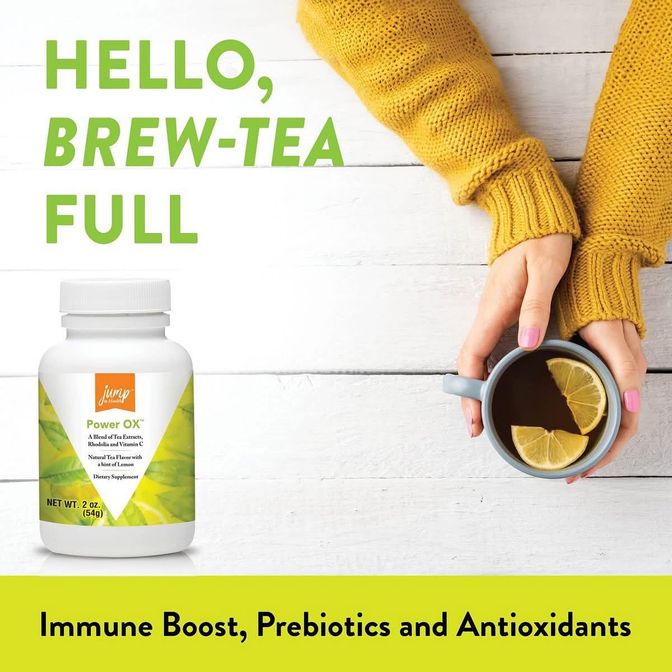
3. PowerOx – immune support and gut health. PowerOx has vitamin C which feeds good gut bacteria, an immune boosting prebiotic fiber, and it has polyphenols that feed the good bacteria in the gut. Combine it with Fiber Pro and clinical studies show you will eat less as it balances hunger hormones leptin and ghrelin. In our beta group average weight loss was 8 pounds using just PowerOx once a day, and Fiber Pro twice a day. https://nutritionj.biomedcentral.com/articles/10.1186/s12937-018-0426-y

Learn about Power Ox https://www.fluid.app/s/0b1ad1 

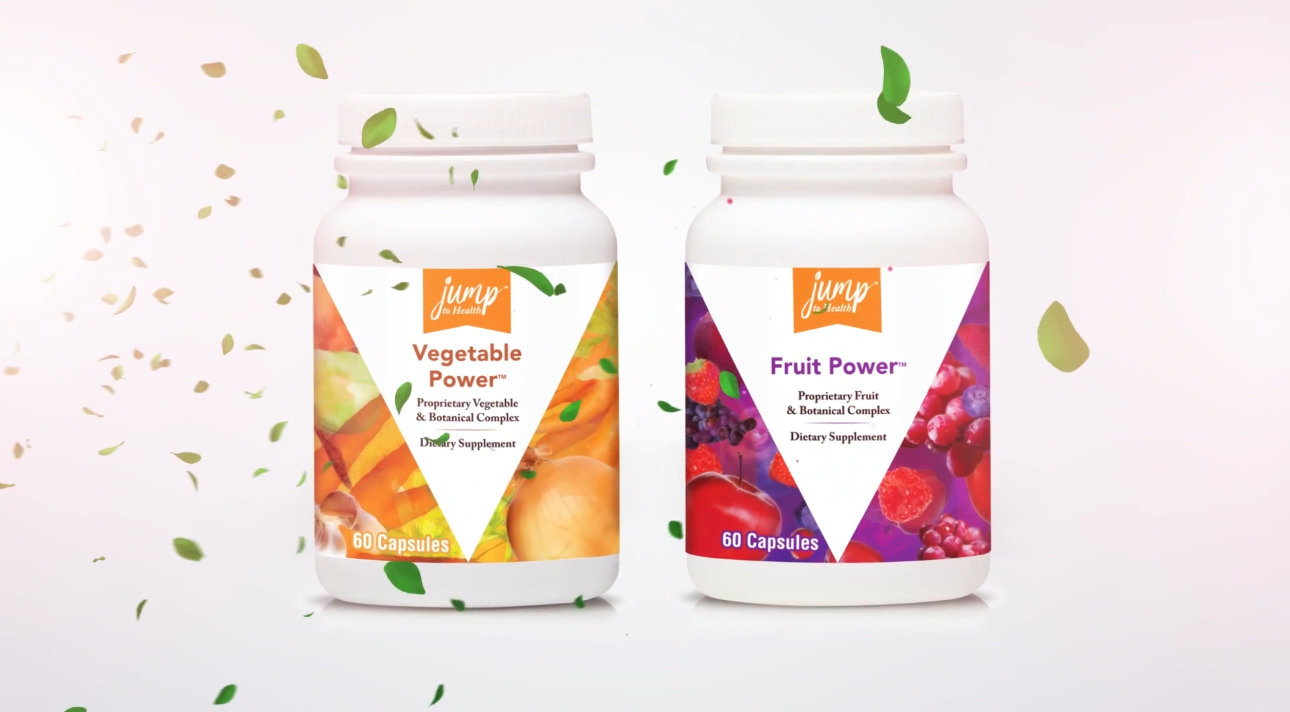
4. Fruit & Veg Power -We know fruits and veggies are good for us – and studies show the phytonutrients in them can help fight fat. People with higher weekly intakes of chlorophyll, carotenoid, and anthocyanin had better body composition in comparison to those who consumed less. These are in our fruit & vegetable power. These also support good gut health too.

https://academic.oup.com/cdn/article/3/Supplement_1/nzz044.P08-047-19/5606379


Learn about Fruit and Vegtable Power https://www.fluid.app/s/942f1a

We offer a full range of phytonutrients – that help our cells detox. We have spirulina and chlorella to help with heavy metals, and these also support good gut health. We know most people do not eat enough fruits and veg, and if you are following keto or low carb – you need to try these. Also look at the Indole 3 carbinol – it is being studied for helping fight or prevent cancers or other cellular disorders. They help the body fight inflammation – in our cells, and then everywhere. 


Return to Home Page http://www.livelife-now.com 
Friday, June 13, 2025

Anxiety, ADHD and Diet

Anxiety, ADHD and Diet


The brain and gut are interrelated and the balance of our gut can definitely impact our mood, anxiety, PTSD and more.


Anxiety is pretty common – about 18% of the population has anxiety at any given time. It can result in Heart racing, trouble sleeping, trouble concentrating. It is also interlinked with depression. Almost ½ of people diagnosed with depression have anxiety. Though they are different disorders, the treatment for them is often the same.

https://www.medicalnewstoday.com/articles/326354.php#anemia


Nutrition and exercise can help. Studies show that exercise is also very important and there’s lots of evidence that regular exercise boosts mood, especially if you’re able to exercise outdoors in a green environment. Even a walk in the park or a stroll by the river is thought to be helpful.


https://www.mayoclinic.org/diseases-conditions/generalized-anxiety-disorder/expert-answers/coping-with-anxiety/faq-20057987#:~:text=In%20some%20people%2C%20certain%20foods,overall%20physical%20and%20mental%20health.


Mmost doctors only know how to treat with medications. They are not nutritionists, and they don’t have the time, nor do they get paid by insurance, for teaching what to eat to help improve health beyond the general guidelines. Lynette went to multiple doctors, and not one offered nutrition advice. And several medications later – some made the symptoms worse.


So how and why can nutrition help those feel better if they have anxiety and/or depression?

The gut and brain are connected through the gut-brain axis, which sends signals between the two via the vagusnerve. This communication can be disrupted by imbalances in the gut microbiota or bacteria, which may lead to mental health issues like anxiety and depression. For example, irritation in the gastrointestinal (GI) system can trigger mood changes by sending signals to the central nervous system. This can cause the brain to go on high alert, similar to how an anxious mind can cause an upset stomach.


Johns Hopkins Medicine there is that changing the gut microbiome can help with anxiety. For example, scientists have shown that transplanting gut microbes from people without anxiety into those with anxiety can help reduce symptoms in the short term. Probiotic supplements may also help, as one study found that they improved depression and sleep quality in students with mild anxiety and depression


Much of our poor diet is due to how much sugar and carbs we now eat. Sugar works in the brain like cocaine – and creates a happy rush, followed by a fall. So we crave more, eat more. It then feeds the bad bacteria in our gut, altering our serotonin, our gut brain axis, and our mood. A viscious cycle.


Harvard Medicine had an article recently on this too. 

Pay attention to your gut-brain connection – it may contribute to your anxiety and digestion problems.

https://www.health.harvard.edu/diseases-and-conditions/the-gut-brain-connection


Now why did the Shake and Control help so fast? 

A few reasons.


1. Protein in the morning – the Mayo clinic recommends a protein breakfast to help anxiety because it gives you energy and helps keep your blood sugar in balance. This can help with mood.

The Jump To Health protein shakes provide easier to digest protein than other brands, and higher quality too. Then we add in the Aminogen and make it even easier to digest and absorb. Then the prebiotic fiber in the shake has been clinically shown to boost probiotics by up to 40%. 

This helps balance the gut and that helps balance the gut brain connection.

Not only has prebiotic fiber been studied for helping with gut health, but depression too.

Prebiotics feed "friendly" bacteria in the gut, and research has shown that people with certain digestive disorders have a higher risk of anxiety and depression. In fact, eight out of nine clinical trials that treated patients with prebiotics or probiotics found that mood improved significantly, with a decrease in anxiety and depressive symptoms

https://www.ncbi.nlm.nih.gov/pmc/articles/PMC10490379/#:~:text=Of%20the%20nine%20clinical%20trials,in%20anxiety%20and%20depressive%20symptoms.


SO let your food be thy medicine and thy medicine be food is real.

What is also interesting in the clinical reviews - Depletion of serotonin contributes to depression, as it is important in mood regulation. Since 95% of our serotonin is made in the gut – this is another reason to focus on gut health. All of JTH products – all of them – have a benefit for gut health.

The hormone serotonin Serotonin​is a mood stabiliser, and impacts wellbeing and happiness.

Foods that boost serotonin include - apples, barley, berries, citrus fruits, chicory root, and jersualem artichoke, and butter helps with butyrate and then foods that help with tryptophan – including spirulina, milk, cheese, eggs, salmon, sunflower seeds, onion. 

The shake, fiber pro have the prebiotic benefits of chicory root, Jerusalem artichoke in it. 

The spirulina and other nutrients that boost serotonin are also in our Fruit Power and Veg Power capsules. 


Now interestingly – I talk a lot about the Aminogen in our shake – that it is there to help us digest the protein and absorb it into lean muscle. But there are other health benefits too – including helping serotonin and mood.

https://www.neuroscienceinc.com/news/2023/understanding-digestive-enzymes-and-supporting-healthy-digestion


Proteolytic enzymes or Aminogen are digestive enzymes that break down proteins into amino acids. These amino acids help the body build muscle and neurotransmitters, including serotonin, dopamine, and GABA.


So the shake helped fast because it helped keep blood sugar stable, boosted probiotics in the gut for better balance, and helped boost serotonin too.


Then Control. Why is control so powerful in helping people feel happier?

Per medical news – one ingredient in the Control is 5HTP. 5-Hydroxytryptophan (5-HTP) is a naturally occurring amino acid, and is the precursor for neurotransmitters, which are chemicals that transmit a nerve impulse across neuronal gaps that are called synapses. These neurotransmitters include serotonin and melatonin.https://www.news-medical.net/life-sciences/The-Relationship-Between-Serotonin-and-5-HTP.aspx


5-HTP helps raise serotonin levels in the brain. Since serotonin helps regulate mood and behavior, 5-HTP may have a positive effect on sleep, mood, anxiety, appetite, and pain sensation.


https://www.news-medical.net/life-sciences/The-Relationship-Between-Serotonin-and-5-HTP.aspx

https://www.sciencedirect.com/science/article/pii/0003986162900620


Now that is not the only ingredient that can help support healthy mood.

In addition to 5HTP, which converts to serotonin, we also have Dl-Phenylalanine. This is also a natural amino acid. DL-phenylalanine can increase serotonin activity, which could help with pain relief and depression in patients taking opiates for chronic pain. It is also known for its antidepressant properties, because it may increase norepinephrine levels, which can help with depression and attention issues.


In addition Control has 75 mg of caffeine. 

Per WebMd –Research into coffee and depression has found that people tend to experience less severe symptoms when they drink coffee.


Now in high doses caffeine can make anxiety worse. But at low levels – which is what we have in Control - In low doses, caffeine may help depression,” per the Journal of the American Medical Association. The reason is because caffeine “stimulates dopamine, which is a chemical in your brain that plays a role in pleasure motivation and learning.”


https://www.webmd.com/diet/what-to-know-about-coffee-and-depression 

https://www.ama-assn.org/delivering-care/public-health/what-doctors-wish-patients-knew-about-impact-caffeine


The caffeine source we use is from Guarana. This is a tropical fruit that is known for boosting happy feelings, help reduce fatigue, boost brain health, and protect the heart.

https://www.healthline.com/nutrition/guarana-benefits

One study looked at the effects of different doses of guarana on mood and learning. Participants received either no guarana, 37.5 mg, 75 mg, 150 mg or 300 mg.


People who received either 37.5 mg or 75 mg of guarana achieved the highest test scores. Since low doses of guarana provide low doses of caffeine, it’s believed that other compounds in guarana aside from caffeine may be partially responsible.


And guarana has a lot of good safety data too. It has antioxidants and many health benefits including helping with eye health as we age, fighting cellular issues, boosting gut health. 


Then green tea extract – one of the most studied ingredients of all time – has neurochemical and behavioral benefits because it too increases dopamine and serotonin.

hhttps://pubmed.ncbi.nlm.nih.gov/23625424/#:~:text=An%20increase%20in%20dopamine%20and,serotonin%20and%2For%20dopamine%20metabolism.


Last but not least in Control is Garcinia. It too has been well studied and shown. In one study it was shown to help anxiety, sociability, and dopamine production. Dopamine is another hormone that is involved in brain function, pleasure, memory and attention, focus. Back to the gut again – about 50% of dopamine is produced in the gut


https://link.springer.com/article/10.1007/s42452-021-04902-z


So Control boosts mood, a little energy, and boosts gut health too. It is great when dieting as it can help lessen cravings and help you stay on track. Or it can help those who want to get a boost of good mood.


Now what do we eat that can help or hurt our happy mood?


The average American diet has gotten bigger, and heavier on grains, and lower quality fats.

https://www.pewresearch.org/fact-tank/2016/12/13/whats-on-your-table-how-americas-diet-has-changed-over-the-decades/


Your brain is about 2/3 fat – and it needs fat to thrive. It also needs antioxidants found in fruits and nuts , tea, and other products. Foods that can impact the brain and your mood include:


-​Nuts – high in fat, and fiber- especially macadamia nuts, almonds

-​Omega fats – like those in our shake – flax, sunflower, or fish oils. These all support a healthy brain. Everyone should take an Omega – you really cannot get enough. And guess what – we have a super powerful and unique one coming July 1!

-​Low sugar. Sugar is so bad for the brain. Watch how much sugar you are eating. You will see it in everything. 

-​Caffeine – a lot of studies are showing that caffeine in coffee or tea can help support a healthy brain and mood, and fight alzheimers and parkinsons, even memory loss.

- protein- our body is comprised of protein – our skin, hair, muscles, nails- all need protein to thrive. We need to get adequate protein.

-​Hydration – most adults are dehydrated – 74%. This slows metabolism and affects our brain too. So be sure to drink lots of water, and tea to help the brain. Especially green tea.

-​Fiber – there are so many studies right now on the emerging area of our second brain in our body – our “gut’. You can google it. Your gut is where 94% of your serotonin resides. So if you have a bad gut bacteria imbalance – you will not sleep as well, you can be crabbier. We use a special fiber in our Fiber Pro. Studies have been done on it that show that it helped school children do better on tests than those who don’t take it. It really is a great product.


https://www.health.harvard.edu/blog/nutritional-strategies-to-ease-anxiety-201604139441


Foods to Avoid:

Fast food is cheap, convenient, and tastes good (most of the time). However, researchers believe there’s a linkTrusted Source between depression and levels of inflammation in the body, and inflammation is exacerbated by ingredients commonly found in large quantities in fast food dishes, like artificial trans fats, refined carbs, sodium, and sugar.


One large study found that people who eat fast food regularly are at a 40% greater risk of developing depression, and researchers suggest that the high amounts of trans fats in fast food products were a primary contributing factor. Meanwhile, other researchers discovered that people who frequently eat fast food were less resilient to depressive symptoms.

https://psychcentral.com/depression/foods-that-cause-depression#alcohol

So for fast meal – have a shake instead. It takes less than a minute to mix up a smoothie, a minute to make a microwave or bundt cake. And 15 minutes to make 5-6 protein bagels using our shake mix. 

Make some pancakes with our shake mix and freeze. There are many ways to get healthy meals, fast. Also take a look at our New You in 22 program – the meals and sides are easy to make and food the whole family can enjoy – and they are low sugar, low glycemic and good for brain health and mood. 


Many people enjoy a glass or two of wine to lift their mood, and it’s hardly surprising — alcohol encourages the release of serotonin (aka the “happy chemical”) in our brain.


However, for those with depression, drinking alcohol could have the opposite effect, as studies suggestTrustedSource higher intake may lead to increased symptoms. This is sometimes called “alcohol-induced depressive disorder,” which occurs only shortly after you drink alcohol


Simple or refined carbs – white rice, pasta, white bread – these turn to sugar in the body and impact mood and gut health, feeding a bacteria imbalance. enty of research supports the link between unrefined grains and depression. For example, one in women postmenopausesaw that those who ate refined grains had a greater risk of new-onset depression. If you want to eat these – take a GlucoSupport before the meal to help lower they glycemic load, lower the absorption and calories too.


We’ve long been warned of the dangers of eating too much salt, particularly around the negative effects on blood pressure and cardiovascular health. But it also impacts inflammation in the body, and has a negative impact on the gut microbiome, which impacts the brain too. Today the average adult in the USA is eating 4000 mg of sodium a day – when we should get 1500-2000mg. So when shopping, look for low sodium or no sodium added foods. And stay hydrated. We know that the average person is dehydrated – drink more to help flush hidden sodium out. 


Sugar- Some research indicates a link between sugar intake and depression. Sugar increases inflammation and hormone imbalance, both of which are linked to mood, feeds the bad bacteria in the gut, and has a potential impact on the growth and development of brain cells. 

influence on neurotransmitters in the brain


Aspartame and artificial sweeteners - in one people who consumed a diet high in aspartame experienced more depression and irritable mood. Researchers suggest this may be because the ingredient impacts the balance of chemicals in the brain (such as the “pleasure” chemicals serotonin and dopamine) and increases levels of cortisol, the “stress” hormone. This ingredient is in a lot of diet sodas.


Eat more fruits, veg, protein, especially at breakfast. Eat healthy fats for brain health. Plenty of fiber and water for gut health. Avoid sugar, watch the alcohol, and salt and sugar and aspartame.


Nutrition recommendations:

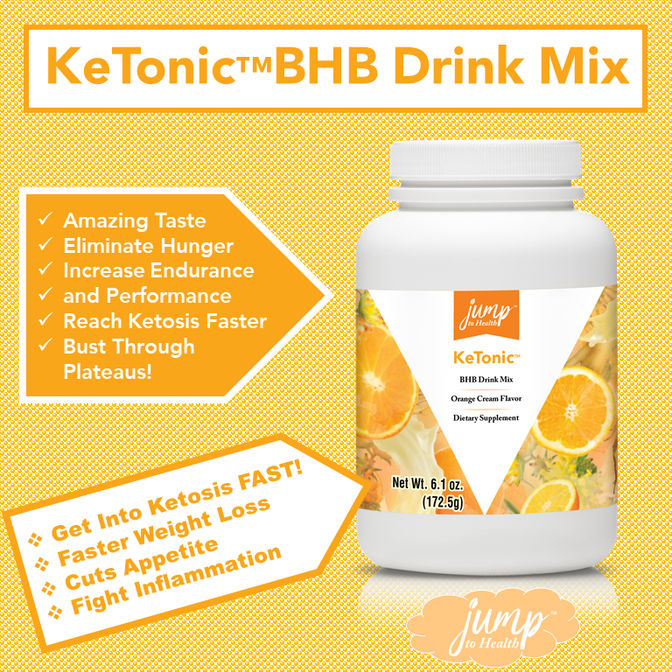
1. Add a magnesium supplement. We have magnesium in KeTonic, and adding more may be good – so look for a magnesium supplement at your pharmacy or grocery store.

Keytonic https://www.fluid.app/s/c39657

2. Add the Fruit & Veg capsules – anti inflammatory and also very good for the gut.

Fruit & Veg capsules https://www.fluid.app/s/942f1a

3. Add Fiber Pro for the gut brain axis https://www.fluid.app/s/2042e9

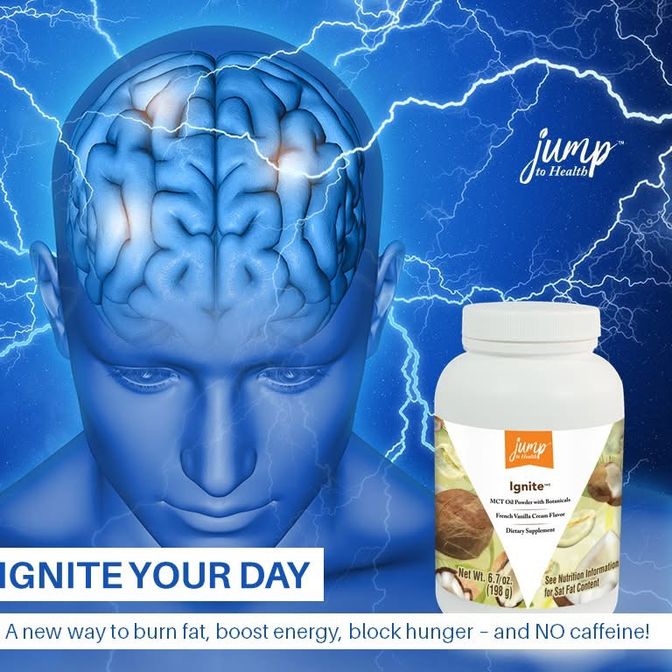
4. Ignite for the healthy MCT for the brain and gut https://www.fluid.app/s/8403cc

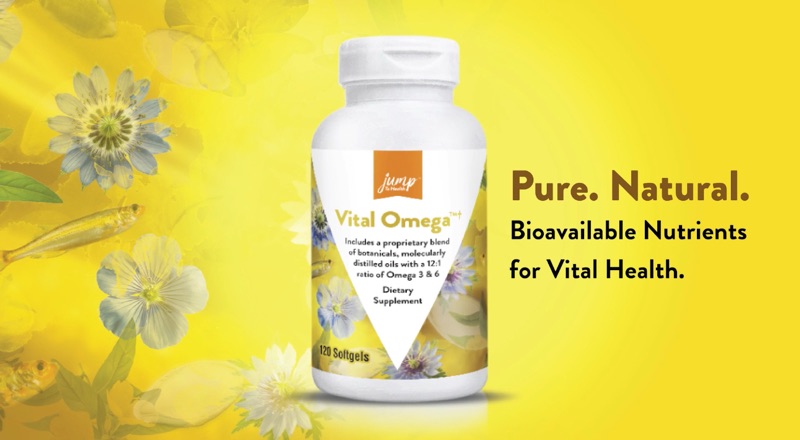
6. Vital Omega - 4x more potent omega.

https://www.fluid.app/s/829a78

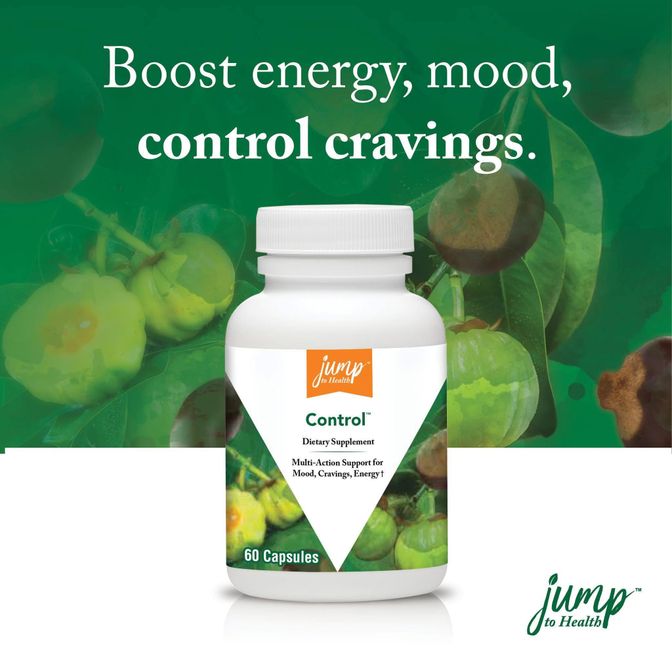
7. Control – for mood boosting and energy and our shake. 

https://www.fluid.app/s/3243b5 


Our New You In 22 program is good because it is healthy fats, no sugar, and it detoxes. 

The PowerOx tea is good because it has Rhodiola, as does the Control. The control may be good as it boosts brain and mood more with 5HTP and Gaba. Releaf may help with the anxiety and it is powerful anti inflammatory. 


Fruit, Veg

https://www.ingentaconnect.com/content/ben/cnf/2010/00000006/00000001/art00003

https://www.sciencedirect.com/science/article/abs/pii/S0955286317306332

http://geetaraibhu.org/admin/FileUpload/Publication/11%20A%20novel%20formulation%20of%20veggies%20with%20potent%20anti-migraine%20activity.pdf


Fiber Pro

https://www.truehealthinitiative.org/news2019/why-prebiotics-are-the-most-important-nutrient-to-boost-your-mood-and-prevent-anxiety-and-depression/

https://www.ncbi.nlm.nih.gov/pmc/articles/PMC4410136/


Control

https://www.psychologytoday.com/us/blog/integrative-mental-health-care/201810/5-hydroxytryptophan-5-htp-anxiety

https://www.medicalnewstoday.com/articles/324025.php


Tea or Excelerade or KeTonic – Rhodiola

https://www.healthline.com/nutrition/rhodiola-rosea

https://www.ncbi.nlm.nih.gov/pmc/articles/PMC4297663/


Magnesium

https://www.healthline.com/nutrition/magnesium-dosage

https://www.ncbi.nlm.nih.gov/pubmed/23950577


Omega

https://nccih.nih.gov/research/results/spotlight/072811.htm

https://www.mayoclinic.org/diseases-conditions/depression/expert-answers/fish-oil-supplements/faq-20058143


New You In 22 Diet

https://www.ncbi.nlm.nih.gov/pmc/articles/PMC5357645/

https://www.psychologytoday.com/us/blog/diagnosis-diet/201706/ketogenic-diets-psychiatric-disorders-new-review

https://medium.com/the-mission/low-carb-diets-can-eliminate-your-anxiety-and-boost-your-productivity-79d14416b8ae

Return to Home http://www.livelife-now.com
Thursday, May 29, 2025

Inflammation and Diet: Key Insights into Chronic Inflammation and Dietary Choices

 Inflammation is a natural response of your body, essential for fighting off harmful pathogens and foreign invaders. However, when inflammation becomes chronic, it can lead to serious health issues like Alzheimer’s, cancer, diabetes, heart disease, and can accelerate the aging process.

Recognizing Inflammation: More Than Just Aches and Pains


While aches and pains are common indicators of inflammation, there are subtler signs to watch for:


  1. Chronic fatigue and insomnia
  2. Mood disorders such as depression and anxiety
  3. Gastrointestinal problems like constipation, diarrhea, and acid reflux
  4. Weight fluctuations
  5. Frequent infections

The Role of Diet in Exacerbating Inflammation


Our modern diet, rich in sugars and unhealthy fats, contributes significantly to increased inflammation. Fructose consumption, in particular, poses a significant threat to health. Historically, human bodies were designed to handle only about 4-6 pounds of fructose per year. Shockingly, current estimates suggest that the average consumption has surged to between 40-60 pounds per year, correlating with a sharp increase in non-alcoholic fatty liver disease, which now affects individuals as young as two years old.

The Dangers of Fructose:


  1. Metabolic Syndrome: Increased blood pressure, blood sugar, cholesterol, triglycerides, and abdominal fat.
  2. Insulin Resistance and Diabetes: Higher risk due to disrupted glucose metabolism.
  3. Obesity and Nonalcoholic Fatty Liver Disease: Direct links to excessive fructose intake.
  4. Increased Risk of Cancer: Particularly colorectal cancer due to enhanced intestinal permeability and bacterial growth.
  5. Heart Health: Fructose consumption contributes to inflammation in blood vessels and other heart disease risk factors.


Quick Tip: If you see fructose listed among the first four ingredients on a label, or if it's not accompanied by fiber, it's best to avoid that product. Fiber can help offset some of the negative effects of fructose by slowing its absorption and aiding in digestion.

Foods and Habits that Worsen Inflammation:


  1. High Sugar and Fructose Intake: Linked to metabolic syndrome, obesity, nonalcoholic fatty liver disease, and various cancers. These are especially harmful in crystalline fructose.
  2. Unhealthy Fats: Margarine and other processed fats which can increase Omega 6 fatty acids that may promote inflammation.
  3. Refined Carbohydrates: Foods like white bread and pastries exacerbate inflammatory responses.
  4. Obesity and Smoking: Both contribute to increased cytokine production, which promotes inflammation.
  5. Stress and Poor Sleep: These lifestyle factors can significantly worsen inflammatory responses.

Anti-inflammatory Diet: What to Eat to Fight Inflammation


Adopting an anti-inflammatory diet can drastically reduce inflammation markers. Here are some key components:


  1. Omega-rich Fatty Fish: Such as salmon, mackerel, and sardines.
  2. Healthy Fats: Include avocados, olive oil, butter, and full-fat dairy in your diet.
  3. Fiber-Rich Foods: Especially prebiotic fibers found in asparagus, onions, and chicory root, which support gut health and reduce sugar absorption.
  4. Antioxidant-rich Fruits: Berries like blueberries, raspberries, and blackberries help fight inflammation and prevent chronic diseases.
  5. Greens and Superfoods: Kale, broccoli, and spinach are high in anti-inflammatory compounds.

Jump To Health’s Role in Fighting Inflammation


Our products are designed to support good gut health and fight inflammation effectively. They are free from lactose, gluten, sucralose, and fructose, making them suitable for a wide range of dietary needs. Our Joint & Muscle Ease and Fruit Capsules are packed with ingredients clinically shown to reduce inflammation and support overall health.


By understanding the connection between diet and inflammation and making informed dietary choices, you can significantly reduce the risk of chronic inflammation and improve your overall health.

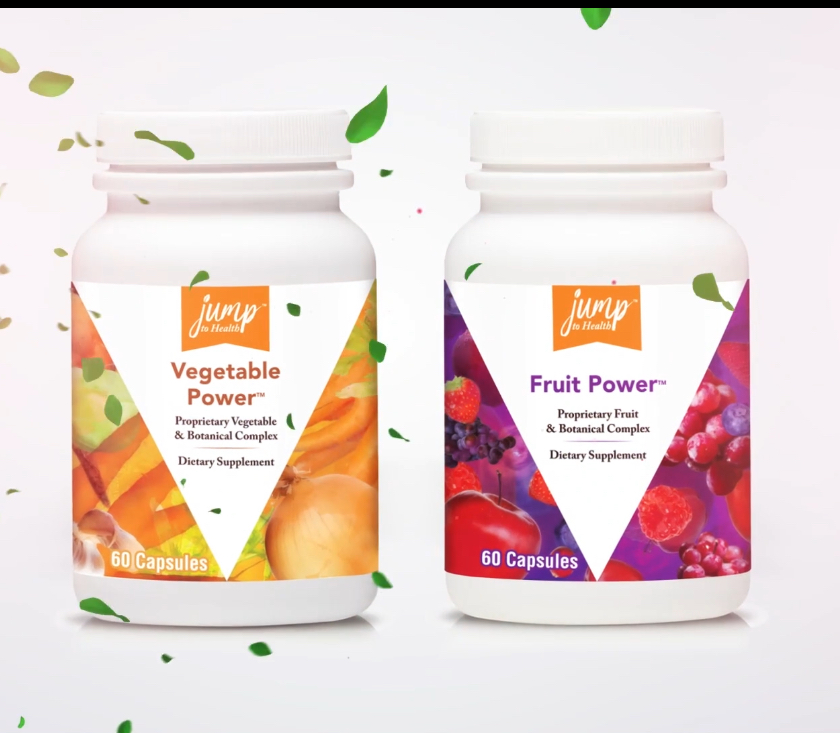
Fruit Power and Vegetable Power https://www.fluid.app/s/942f1a

Joint Muscle and ease https://www.fluid.app/s/f0d110

Re Leaf gel https://www.fluid.app/s/


Monday, May 19, 2025

Kidney health, heart, health, and diet

Kidney Health, Heart Health, and Diet


February is heart health month – but we can’t talk about the heart without also talking about the kidney.


Your heart and kidneys are two important organs in your body. They work together to keep you healthy. When one is affected, the other is too. In other words, your heart can affect the health of your kidneys, and your kidneys can affect the health of your heart.

Healthy kidneys remove wastes and extra fluid from your body. They balance salts and minerals in your blood. They also help control blood pressure, make red blood cells, and keep bones strong.


The heart pumps blood filled with oxygen and nutrients to all parts of your body to work properly and stay alive. Blood pumped by the heart also picks up carbon dioxide and waste products so that your body can get rid of them. To move blood to each part of your body, your heart relies on your blood vessels. Together, the heart, blood and blood vessels make up a system called “the cardiovascular system

The heart is a muscle that pumps blood filled with oxygen to all parts of your body. This job keeps every cell, organ, and system alive within your body. 


The kidneys clean the blood, removing waste products and extra water. Without the kidneys, your blood would have too much waste and water. The heart would be working too hard or would not function at all without the help of your kidneys.


The heart pumps blood filled with oxygen through all parts of your body, including the kidneys. Without the heart, your kidneys would not have the oxygen-filled blood needed to do its many important jobs.

The kidneys remove waste from the blood and return the cleaned blood back to the body. Each minute about one litre of blood – one-fifth of all the blood pumped by the heart – enters the kidneys through the renal arteries. After the blood is cleaned, it flows back into the body through the renal veins.


Your kidneys:


Clean your blood of waste products and extra water

Help control blood pressure

Keep bones healthy and strong

Help make red blood cells

Keep the balance of minerals in your blood (like sodium, phosphorous, and potassium)


Kidney Disease – growing at an alarming rate.

Kidney disease is growing at an alarming rate. It currently affects more than 1 in 7 — or 15% — of American adults, with people of color at greater risk for kidney failure.

In the US - 37 million people have kidney disease. 

About 807,000 Americans are living with kidney failure. 

More than 562,000 Americans are on dialysis 

More than 245,000 Americans are living with a kidney transplant


9 out of 10 people with kidney disease are unaware they have it, and half of those with severely reduced kidney function (but not yet on dialysis) do not know they have kidney disease. About 1 in 3 adults with diabetes may have kidney disease. Diabetes is the top cause of kidney failure, causing nearly half (45%) of new cases. 


1 in 5 adults with high blood pressure may have kidney disease. High blood pressure is the second most common cause of kidney failure, causing 28% of new cases.


Kidney disease is one of the top 10 causes of death in the U.S. It kills more people each year than breast or prostate cancer.


Heart 

Your heart is about the size of 2 fists, and weighs 10 oz. It beats 100,000 times a day. There are 60,00 miles of blood vessels – enough to go around the earth twice. A woman’s heart on average beats 8x faster than a mans. Heart disease is the #1 cause of death in the U.S.


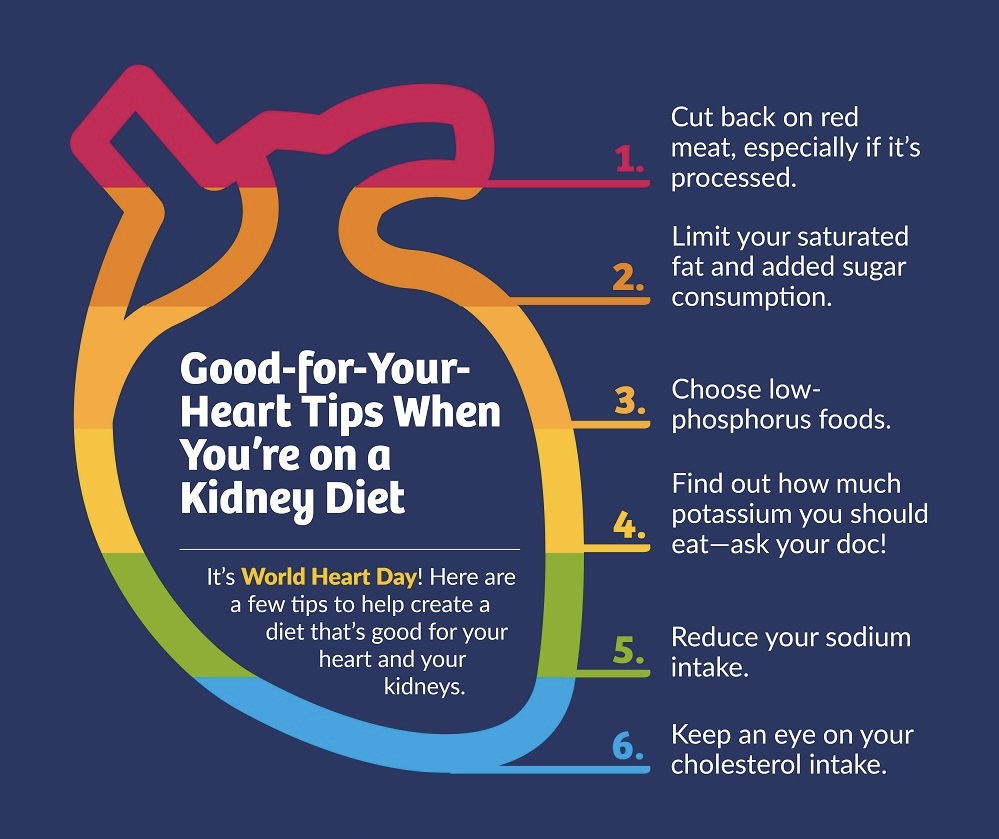
How can I keep my heart and kidneys healthy?

These tips can help keep your kidney and heart health on track. You should always speak with your healthcare provider before making any changes to your diet and lifestyle.


Regular physical activity

Lose weight, if you need to

Eat less fat

Keep your blood pressure, blood sugar, and blood fats under control

Stop smoking

Reduce stress

A good way to keep the heart and kidney connection in mind is to remember, what is good for your kidneys is good for your heart. Keeping up the health of your heart is good for the health of your kidneys.


Lowering blood sugar is key to a healthy heart and kidney. Too much sugar in the diet can increase blood pressure, and triglycerides, and increase bad cholesterol.


Too much sugar in the diet can impact fatty liver disease. 

It also causes inflammation.


So the key is to try to avoid added sugar, especially fructose. Our livers were designed to process 4-6 pounds of fructose per year. Fructose is found in fruits and vegetables, and the fiber in those, and water content – 85% of fruit is water – it helps offset the impact on the liver. But today we are eating almost 60 pounds of fructose – so it is no wonder we are seeing fatty liver disease in kids now, and growing kidney issues in adults, and heart disease and diabetes growing.


What damages the kidney and heart?

Diabetes and hypertension (high blood pressure) are the two leading causes of kidney disease. High blood sugar levels in uncontrolled diabetes and high blood pressure can damage the kidney’s blood vessels, leaving them unable do their job properly.


With ½ of the population having high blood pressure, ½ being prediabetic and more getting diabetes – we can see we need to do something.


What helps?

Foods to Avoid:

1. Sodium. Today we eat 40-50% more sodium than we should. The average Adult is eating almost 4,000 mg per day – far above the now recommended 1500-2000 mg. This impacts heart and kidneys.

So much of our food has salt in it – to preserve it and add flavor. But there are low sodium soups, vegetables you can buy and more companies offer low sodium versions. Once you lower your sodium – you’ll be amazed at how awful salty food will now taste. My husband and I rarely put salt in anything we cook. So when we eat out or try food at Costco – wham- all I taste is salt. And feel awful and drink a lot of water after.


2. Sugar – impacts your blood pressure. We eat a cup of sugar a day hidden in foods. This is why we created Gluco Support -to help slow the impact of sugar and carbs on the body. Simply take 1 capsule before 1-2 meals – and not only will you feel better, you can lose weight just with this one little product.

It also has berberine – called Natures’ Ozempic – for curbing hunger and gymnema which makes sugar less appealing.


3. Watch your protein intake. Many people think protein is good so more is better. But it is not. You can only absorb 25-30 grams in one meal. The rest gets stored as fat – and you also tax yourkidneys.

So have a shake for breakfast, a snack with protein like string cheese or an egg with a healthy carb like fruit or veg, have a sensible lunch or another shake, and a sensible dinner and you’ll lose weight, lower blood pressure, and protect kidney health.


4. Watch alcohol intake – the body thinks of it as poison and make the kidneys work harder to filter it out.

https://www.healthline.com/nutrition/foods-to-avoid-with-kidney-disease#foods-to-avoid


Foods that help healthy kidneys, cholesterol and heart health:

Are generally foods we should all eat more of. The average person gets 1 serving of fruit per day, and only 1 oz. of lettuce. 

1. Dark leafy greens- kale, spinach, romaine, all have vitamin K – good for blood and kidneys, and fiber for heart health. 

2. Berries – low glcyemic, packed with antioxidants and fiber.

3. Cranberrries – low sugar cranberry juice protects the bladder from infection, which can spread to the kidney.

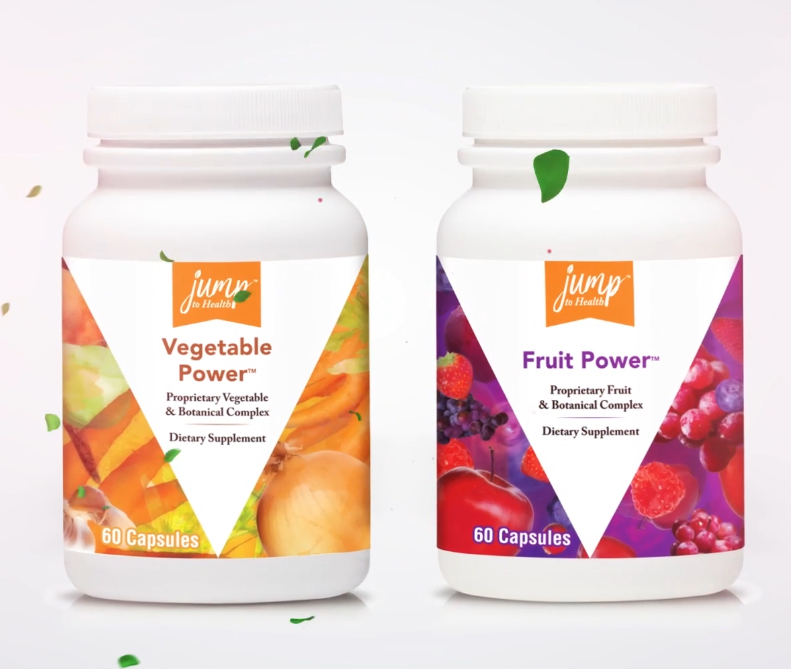
4. Polyphenols – in fruits, veg, olive oil – help prevent inflammation. This is why we recommend the Fruit Power and Veg Power capsules. They are the most potent fruit/veg supplement – 40% more nutrients than the brand you see on TV for almost ½ the price. They help kidneys, gut, brain, cells, a lot.

5. Cruciferous veg – cabbage, broccoli, cauliflower – these are in the Fruit Power, and Veg power – have phytochemicals – which can help protect kidneys.

6. Omegas – from fish, or supplements – can help blood triglycerides and blood pressure – which in turn can impact kidneys.


How Jump To Health Can Help.

1. Fruit Power, Veg Power – get the anti-inflammation benefits and boost gut health too. You can feel this in as little as 3 days.

Vegetable power and fruit power https://www.fluid.app/s/942f1a

2. Fiber Pro – a recent study in PubMed shows that gut health can improve kidney function – from prebiotics and probiotics. These can help reduce inflammation, improve kidney function and retard progression of CKD by restoring the symbiosis of gut microflora in patients with CKD. A randomised trial found synbiotics decreased serum PCS without reducing serum IS in non-dialysis CKD

https://www.ncbi.nlm.nih.gov/pmc/articles/PMC6067341/#:~:text=Recently%2C%20probiotics%2C%20prebiotics%20or%20synbiotics,IS%20in%20non%2Ddialysis%20CKD.


Fiber Pro https://www.fluid.app/s/2042e9

In the Journal of Renal Nutrition – another article talks to prebiotic fiber – and how it can help slow progression of those with CKD.

https://www.jrnjournal.org/article/S1051-2276(14)00260-X/fulltext#:~:text=Fiber%20and%20prebiotics%3A%20mechanisms%20and%20health%20benefits.&text=Better%20known%20as%20fiber%2C%20prebiotics,probiotics%20to%20benefit%20the%20host.


And another article in National Library of Medicine - Emerging evidence suggests that diet, particularly one that is rich in dietary fiber, especially prebiotic fiber, may prevent the progression of chronic kidney disease (CKD) and its associated complications in people with established CKD.

https://www.ncbi.nlm.nih.gov/pmc/articles/PMC8825222/


Now Fiber Pro is not gritty, not gassy – has no added sugar like those other fiber powders or drinks

You can add it to morning coffee, or any food or beverage and boost gut health, balance hunger hormones, help heart and cholesterol and support kidney health too. For a lot less $ - and no other brand has the 2 clinically studied prebiotic fiber.


3. Jump To Health Core (whey) or VPro (plant) shakes. A lot of people think of protein shakes as being for losing weight or building lean muscle. The JTH shake is unique in that it is a health drink – that boosts gut health, supports kidney health, mood, brain, focus, immune and a lot more.

It is an easy to digest protein – in the right amount – so your kidneys don’t have to work so hard.

It also has a full serving of a clinically studied prebiotic fiber, and digestive enzymes.


Core and V Pro Protein https://www.fluid.app/s/aa95ed

4. Gluco Support – help control your blood sugar, and lower the glycemic index of foods. 

1 small capsule before 1 meal – and you can help reduce weight, cravings, and control blood sugar which can impact your heart and your kidneys.

Gluco Support https://www.fluid.app/s/89709c

We have other products that can help too – but these would be the key ones. Plus we provide free meal plans, recipes to help you change your lifestyle – one day or even one meal at a time. Start slow with Gluco Support or Fiber Pro. Add the Fruit & Veg. Get tested – see if you see improvements. Add a shake – that tastes like birthday cake and is natural. You’ll save $ vs. other brands and save on groceries too. 


So if you are worried about kidney health – then take the jump to better health – with Jump To Health. 

https://www.kidney.org/atoz/content/heart-and-kidney-connection

Kidney Stones

Kidney disease, kidney stones are becoming more prominent.

Kidney stones are common and are on the rise. About 11 percent of men and 6 percent of women in the United States have kidney stones at least once during their lifetime. We spend over $2bn in health care in the US on kidney stones each year. And they are painful. My husband has had them and it is awful to see the pain it can cause. 


There are different types of stones – with the about 2/3 being calcium based. Yet it is not calcium that causes them. Low calcium diet and low urine volume can lead to more kidney stones. The best proven method of stone prevention is to increase the amount of urine that you make. By the simple process of urinary dilution, crystals are unable to collect within the kidney and pass in the urine without forming a stone.

So drink more water. With 75% of us dehydrated – we can all drink more.


Also check for metabolic health issues. Metabolic disorders – If a condition or disorder prevents the body from properly breaking down food, it can lead to high levels of oxalate and cystine in the urine, which leads to stone formation.

 Learn more About Jump to Health http://www.livelife-now.com
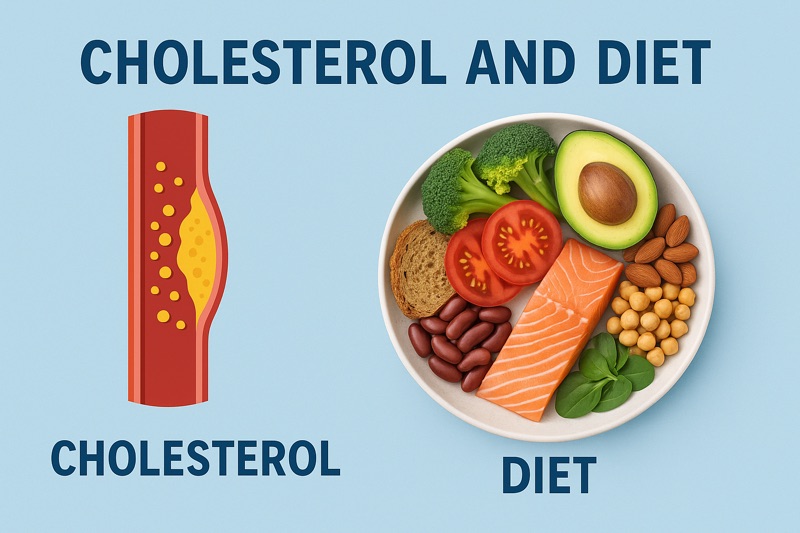
Cholesterol and Diet

  Cholesterol and Diet   Cholesterol is a waxy, fat-like substance that your body needs to build cells and make hormones and vitamin D. ...